
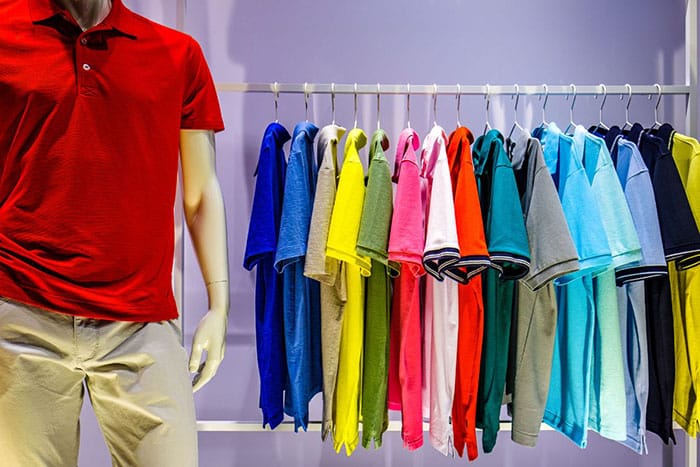
Polo Shirt Manufacturing Company for Modern Apparel Buyers
Polo shirts occupy a unique space in the apparel industry. They are formal enough for corporate environments, practical enough for hospitality uniforms, and stylish enough for fashion retail collections. Because of this versatility, buyers often demand higher production consistency from polo garments compared to ordinary knitwear products.
A poorly manufactured polo shirt becomes noticeable immediately.
Issues such as uneven collars, twisted plackets, inconsistent rib matching, loose button attachment, or unstable sizing can affect customer perception very quickly. This is why apparel businesses usually look for manufacturing partners with strong knitwear production experience instead of relying only on low-cost suppliers.
Wenext Apparels supports fashion brands, corporate buyers, wholesalers, and startup apparel businesses with organized polo manufacturing solutions designed for long-term production consistency and export-quality finishing.
Polo Manufacturing Requires More Technical Control
Many new buyers assume polo shirts are simple garments.
In reality, polo manufacturing involves multiple technical stages that require close monitoring throughout production.
Unlike basic T-shirts, polo garments include:
- rib collars
- structured plackets
- button attachment
- side slit finishing
- shape retention requirements
Even slight sewing imbalance becomes highly visible on finished products.
Factories without specialized knitwear workflow systems often struggle to maintain consistency during larger production runs.
Stretch Polo Fabric
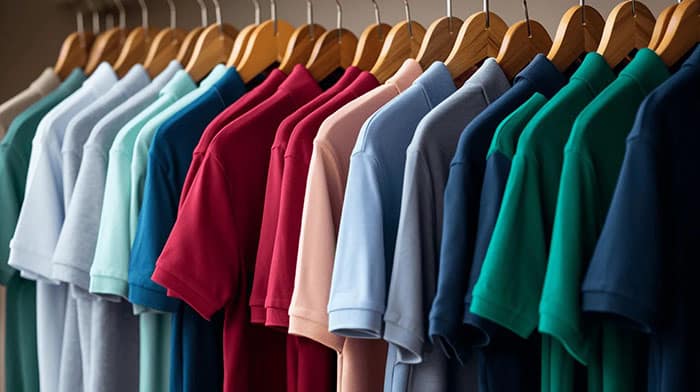
Modern lifestyle and sportswear brands increasingly request stretch blends for additional comfort.
Organic Cotton Programs
Eco-conscious apparel businesses now discuss sourcing transparency more frequently during product development.
Organizations such as
Textile Exchange
continue encouraging responsible textile sourcing practices worldwide.
MOQ Structure Depends on Product Complexity
MOQ for polo shirts cannot always follow a fixed number.
Production planning usually depends on:
- fabric customization
- collar development
- embroidery setup
- dyeing requirements
- branding accessories
- packaging structure
For example, custom rib collars and branded buttons often require additional manufacturing coordination compared to stock fabric production.
Experienced factories evaluate the entire sourcing structure before confirming final production quantities.
Real Production Challenges Inside Polo Factories
Buyers usually see only the finished garment.
Inside production facilities, multiple operational issues must be managed carefully to maintain export-quality standards.
Collar Matching Problems
Maintaining exact shade consistency between body fabric and rib collar can become difficult during bulk dyeing.
Button Alignment
Uneven placket construction immediately affects visual balance.
Embroidery Distortion
Heavy embroidery may pull lightweight fabric if production settings are incorrect.
Fabric Shrinkage
Improper shrinkage control creates fitting inconsistency after washing.
Factories with stronger inline quality systems identify these problems earlier during production stages.
Sampling Matters More Than Most Buyers Expect
Sample approval is one of the most important stages in polo manufacturing.
Experienced buyers carefully review:
- collar shape
- button placement
- stitching balance
- shrinkage performance
- fit structure
- embroidery finishing
A well-developed sample reduces production revision risk significantly during mass manufacturing.
Factories that rush sample development often create expensive problems later.
Startup Brands Often Need Technical Guidance
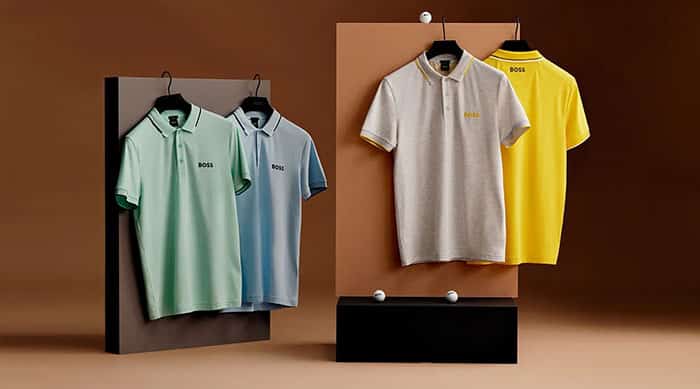
Many startup clothing businesses understand branding and design but lack technical apparel manufacturing experience.
Common questions usually include:
- Which GSM feels more premium?
- What collar style works best?
- Is embroidery better than printing?
- Which fit structure suits the target market?
- What MOQ is realistic?
Factories with practical knitwear production experience help simplify these decisions for developing brands.
Instead of pushing unnecessary complexity, experienced production teams usually focus on scalable product planning.
Why Communication Quality Affects Production Stability
International apparel manufacturing involves constant coordination between:
- sourcing
- sampling
- approvals
- production
- packaging
- shipment scheduling
Poor communication creates avoidable mistakes such as:
- wrong labels
- delayed approvals
- embroidery revisions
- packaging confusion
Professional production management reduces these operational risks through organized workflow tracking.
Reliable communication often becomes one of the biggest reasons buyers continue long-term supplier relationships.
Private Label Polo Development Continues Expanding
Modern brands increasingly prefer customized apparel instead of blank wholesale products.
Private label polo production may include:
- woven neck labels
- branded buttons
- custom packaging
- hang tags
- barcode stickers
- embroidery branding
These details help businesses build stronger customer recognition and premium presentation.
Buyers searching for a trusted
private label apparel manufacturer
often prioritize factories capable of balancing branding requirements with stable bulk production quality.
Bangladesh Continues Growing as a Knitwear Hub
Bangladesh remains one of the world’s strongest knitwear sourcing destinations because factories combine:
- skilled labor
- export experience
- competitive production cost
- large manufacturing capability
- knitwear specialization
However, global buyers now expect much more than low pricing.
Factories that improve:
- production systems
- sourcing transparency
- communication quality
- shipment management
continue building stronger international partnerships.
Industry platforms such as
Fibre2Fashion
regularly discuss the growth of Bangladesh’s export-oriented apparel sector.
How Wenext Apparels Supports Polo Buyers
Wenext Apparels works with:
- fashion labels
- hospitality businesses
- wholesalers
- uniform buyers
- startup apparel companies
Some buyers require:
- repeat uniform programs
- premium polo collections
- embroidery-heavy production
- flexible MOQ planning
Others need assistance with:
- sourcing discussions
- fabric selection
- packaging development
- product consistency
Instead of applying identical production systems to every order, manufacturing coordination is adjusted according to product structure, buyer goals, and export requirements.
FAQ
Why are polo shirts more difficult to manufacture?
Polo shirts involve collars, plackets, button structures, and additional sewing precision compared to regular knitwear garments.
What fabrics are commonly used for polo shirts?
Pique cotton, cotton-poly blends, stretch fabrics, and organic cotton are widely used.
What affects MOQ for polo production?
MOQ depends on fabric sourcing, collar customization, embroidery setup, and packaging requirements.
Can startup brands create private label polo shirts?
Yes. Many manufacturers support growing brands with product development guidance and flexible production planning.
Why do buyers source polo apparel from Bangladesh?
Bangladesh offers strong knitwear expertise, export capability, skilled labor, and scalable garment manufacturing systems.
Polo shirt production requires precision, workflow control, and sourcing coordination that many buyers initially underestimate. Fabric behavior, collar construction, embroidery quality, and repeat consistency all play important roles in creating export-quality polo garments.
For fashion businesses, hospitality buyers, wholesalers, and corporate uniform programs, working with an experienced Polo Shirt Manufacturing Company can improve sourcing reliability while reducing operational pressure during large production cycles.
Wenext Apparels supports global apparel buyers with organized knitwear manufacturing solutions, flexible sourcing support, export-focused production systems, and customized polo shirt development tailored for evolving international apparel markets.