
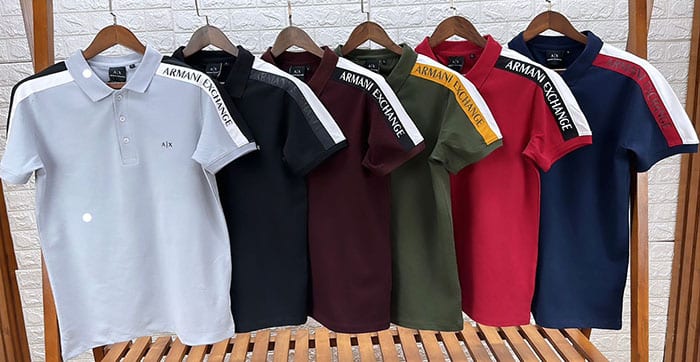
Bangladesh Polo Shirt Manufacturer for Modern Apparel Brands
Polo shirts continue to hold a unique position in the global apparel market. Unlike basic T-shirts, polo shirts are often associated with a cleaner presentation, corporate identity, sportswear culture, hospitality uniforms, and premium casual fashion. Because of this, buyers usually expect better stitching quality, cleaner finishing, stronger fabric stability, and more consistent sizing compared to standard knitwear products.
This expectation creates a different type of manufacturing pressure inside factories.
Producing polo shirts at scale requires careful coordination between knitting, collar matching, sewing precision, dyeing consistency, and finishing control. Small mistakes that might go unnoticed in regular T-shirt production become highly visible in polo garments.
Wenext Apparels works with international apparel buyers looking for organized polo shirt manufacturing support backed by practical production experience, export-focused workflow systems, and flexible product development planning.
Why Polo Shirts Require More Production Precision
Many buyers initially assume polo shirts are simply T-shirts with collars.
Real manufacturing tells a different story.
Polo shirts involve additional construction complexity including:
- rib collar attachment
- placket development
- button placement
- collar symmetry
- side slit finishing
- structured sewing balance
Even minor sewing misalignment can affect the overall appearance of the product.
Factories with limited knitwear experience often struggle to maintain consistency during larger polo production runs.
Corporate Buyers Usually Prioritize Stability Over Fashion Trends
Fashion brands often focus heavily on visual creativity.
Corporate polo buyers think differently.
Businesses ordering staff uniforms or promotional apparel usually care more about:
- repeat consistency
- stable fabric quality
- embroidery durability
- color continuity
- reorder capability
For these clients, production reliability becomes more important than trend-driven styling.
This is why long-term sourcing relationships are extremely common in corporate polo manufacturing.
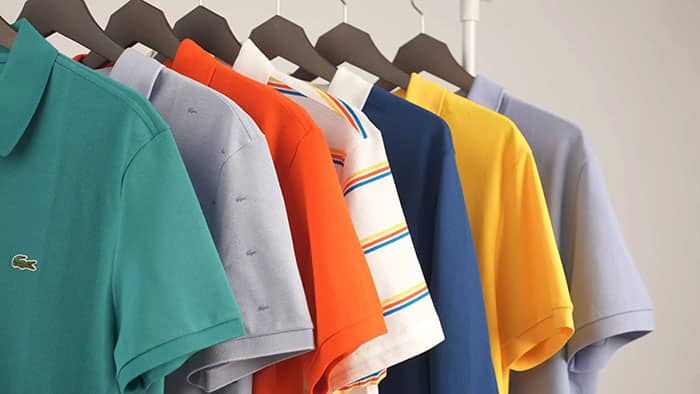
Fabric Choice Changes the Entire Product Feel
Fabric selection directly influences how a polo shirt performs after repeated wear and washing.
Different markets prefer different fabric structures.
Pique Cotton
Still one of the most widely used polo fabrics because of:
- breathability
- textured appearance
- durability
- structured fit
Cotton-Polyester Blend
Frequently selected for:
- corporate uniforms
- hospitality apparel
- school uniforms
because it provides better wrinkle resistance and durability.
Stretch Pique Fabric
Modern fashion brands increasingly request stretch blends for additional comfort and flexibility.
Organic Cotton Polo Fabric
Some premium brands now prioritize more responsible sourcing discussions during apparel development.
Organizations such as
Better Cotton
continue encouraging improved sourcing practices across the cotton industry.
MOQ Planning Becomes Different with Polo Production
MOQ for polo shirts often differs from regular T-shirt manufacturing because additional components are involved.
Production planning may depend on:
- collar color matching
- custom buttons
- embroidery setup
- fabric dyeing
- placket construction
- branding accessories
For example, custom knitted collars usually require additional production coordination compared to stock fabric programs.
This is why experienced factories prefer discussing full development requirements before finalizing manufacturing structure.
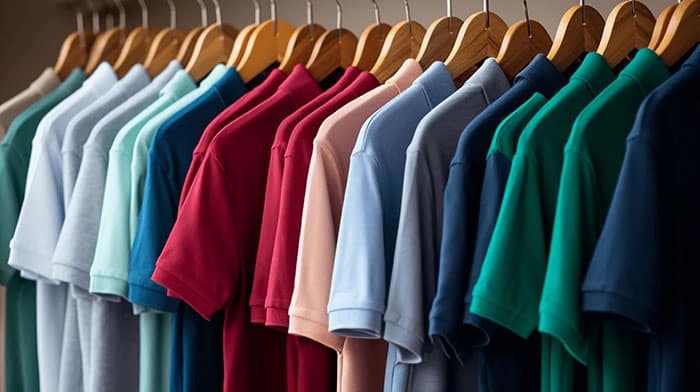
Real Factory Challenges During Polo Manufacturing
Polo production creates operational challenges that many buyers never see.
Collar Shade Matching
Maintaining exact collar and body fabric shade consistency can become difficult during bulk dyeing.
Placket Alignment
Button plackets must remain balanced throughout production.
Even small measurement shifts affect presentation quality.
Rib Fabric Supply
Certain custom rib colors may require additional knitting lead time.
Embroidery Positioning
Corporate logos and chest embroidery require strict placement accuracy during production.
Factories with organized inline inspection systems solve these issues more efficiently before shipment stages.
Why Sampling Is Critical Before Bulk Production
Polo buyers usually review samples more carefully than basic knitwear products.
They often check:
- collar shape
- placket construction
- fabric shrinkage
- button quality
- embroidery balance
- side slit finishing
Strong sample development helps reduce costly revisions later during mass production.
Experienced factories usually encourage detailed pre-production review instead of rushing directly into bulk manufacturing.
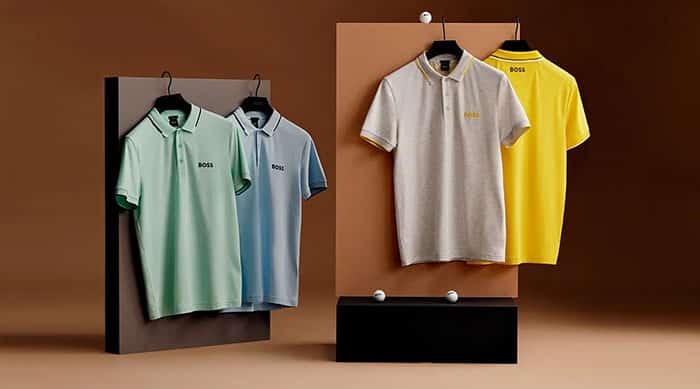
Startup Brands Often Underestimate Polo Development
Many startup clothing brands enter polo production expecting a simple manufacturing process.
Later they realize additional development work is required.
Common early-stage questions include:
- Which fabric weight feels premium?
- Should collars be flat knit or self-fabric?
- Is embroidery better than printing?
- How should sizing be graded?
- What MOQ works for custom colors?
Factories with real knitwear production experience help simplify these decisions for newer apparel businesses.
Why Communication Quality Matters During Export Production
International buyers often operate around:
- retail launch schedules
- event deadlines
- uniform delivery dates
- seasonal inventory planning
Poor communication during manufacturing creates unnecessary pressure for both buyers and suppliers.
Reliable production management usually includes:
- fabric updates
- sample coordination
- approval tracking
- shipment planning
- production progress reporting
Factories with organized communication systems generally maintain stronger long-term sourcing relationships.
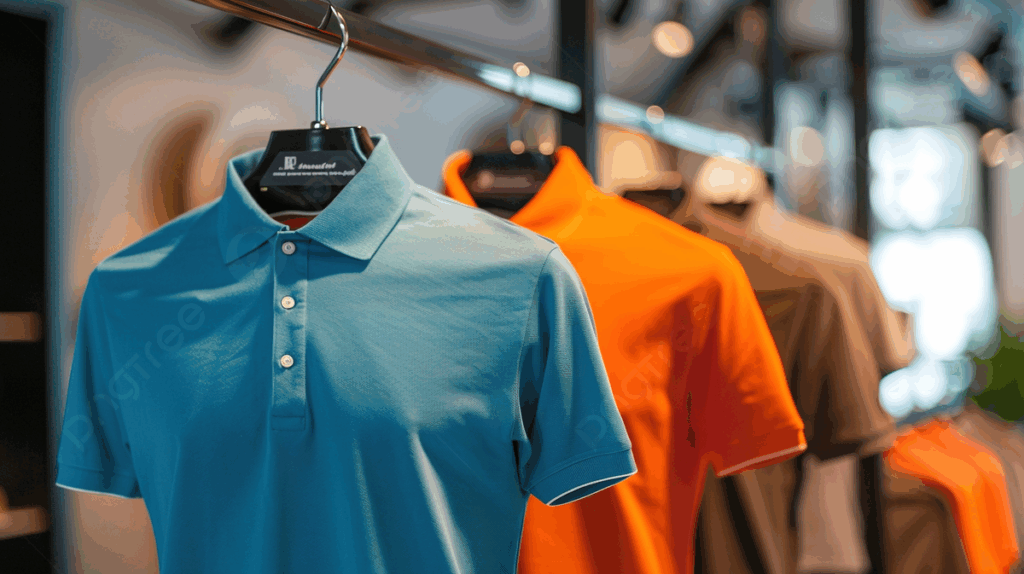
Private Label Polo Shirts Continue Growing Worldwide
Many brands now prefer customized apparel instead of generic stock garments.
Private label polo development may include:
- woven neck labels
- branded buttons
- custom packaging
- embroidery branding
- hang tags
- barcode stickers
These details help businesses build stronger customer recognition and premium product positioning.
Businesses searching for a reliable
private label apparel manufacturer
often prioritize suppliers capable of supporting both branding and stable production quality.
Bangladesh Remains Strong for Polo Manufacturing
Bangladesh continues expanding its global knitwear reputation because factories combine:
- skilled garment labor
- large production capability
- competitive sourcing
- export logistics experience
- knitwear specialization
However, modern buyers increasingly expect more than simple low-cost manufacturing.
Factories that improve:
- communication
- workflow organization
- sourcing transparency
- quality monitoring
remain more competitive internationally.
Buyers looking for a trusted
T-shirt manufacturer in Bangladesh
often also source polo apparel from experienced knitwear factories with export production expertise.

How Wenext Apparels Supports Polo Shirt Buyers
Wenext Apparels works with:
- corporate buyers
- fashion brands
- hospitality businesses
- wholesalers
- startup apparel companies
Some buyers require:
- large-scale uniform production
- premium fashion polo development
- embroidery-focused manufacturing
- flexible MOQ support
Others need help with:
- fabric sourcing
- collar development
- packaging structure
- branding presentation
Instead of using identical production systems for every project, manufacturing planning is adjusted based on sourcing requirements, business goals, and product complexity.
FAQ
Why are polo shirts harder to manufacture than regular T-shirts?
Polo shirts involve additional construction details such as collars, plackets, rib matching, and structured finishing.
What fabrics are commonly used for polo shirts?
Pique cotton, cotton-poly blends, stretch fabrics, and organic cotton are widely used.
What affects MOQ in polo shirt production?
MOQ depends on fabric sourcing, collar customization, embroidery setup, color quantity, and branding requirements.
Can startup brands develop custom polo collections?
Yes. Many factories support growing brands with sampling guidance and flexible production planning.
Why is Bangladesh popular for polo manufacturing?
Bangladesh offers strong knitwear expertise, export experience, skilled labor, and scalable apparel production capability.
Polo shirt manufacturing requires more precision, planning, and workflow control than many apparel buyers initially expect. Fabric behavior, collar construction, embroidery quality, and production consistency all influence the final product experience customers receive.
For corporate buyers, wholesalers, hospitality businesses, and fashion brands, working with an experienced Bangladesh Polo Shirt Manufacturer can improve sourcing stability while reducing production pressure during bulk manufacturing cycles.
Wenext Apparels supports global apparel businesses with flexible knitwear production solutions, organized export operations, practical sourcing support, and customized polo shirt development designed for modern international apparel markets.