
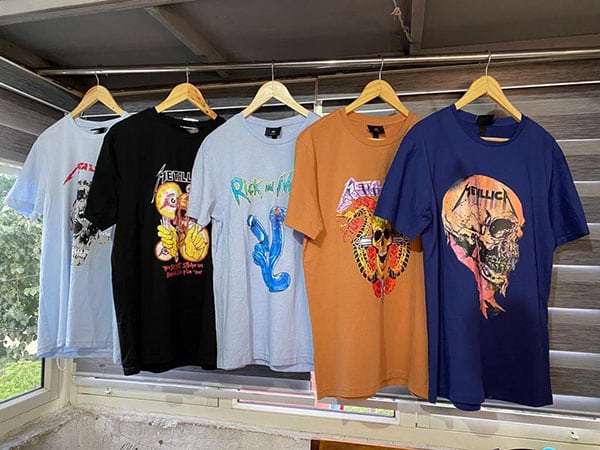
Best T-Shirt Factory in Bangladesh: 7 Smart Manufacturing Solutions for Modern Clothing Brands
Building a successful clothing brand is not only about creating attractive designs. Behind every high-quality T-shirt collection, there is a manufacturing partner capable of handling production challenges, fabric sourcing, quality control, communication, and timely delivery.
Today, fashion startups, streetwear labels, sportswear companies, promotional clothing businesses, and global wholesalers are actively searching for the best T-shirt factory in Bangladesh because the country has become one of the world’s strongest knitwear manufacturing hubs.
However, choosing the right factory is not always simple. Many buyers face issues such as delayed production, poor communication, inconsistent sizing, fabric quality problems, and weak finishing standards. This is why selecting an experienced and reliable production partner is extremely important.
Wenext Apparels works with international clothing brands that need dependable manufacturing support, flexible MOQ options, custom development, and smooth production management from sampling to shipment.
Instead of offering only basic manufacturing, the company focuses on helping brands build long-term product consistency and sustainable business growth.
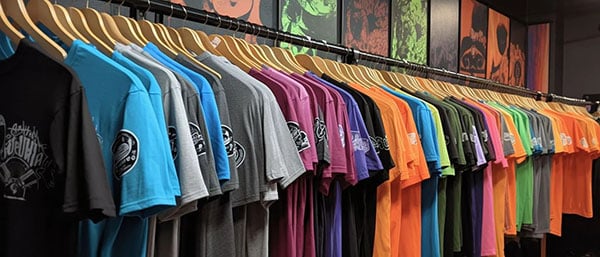
Why Bangladesh Continues to Lead Global T-Shirt Manufacturing
Over the last two decades, Bangladesh has transformed into one of the world’s largest apparel exporting countries. Global buyers choose Bangladeshi factories because the country offers strong production capability, competitive pricing, and large-scale knitwear expertise.
But price alone is no longer enough.
Modern buyers now expect factories to provide:
- Clear communication
- Faster sample development
- Fabric sourcing assistance
- Stable quality
- Flexible production planning
- Private label solutions
- Sustainable production support
Factories that cannot adapt to these expectations often struggle to maintain long-term international clients.
This is where experienced export-oriented manufacturers create real value.
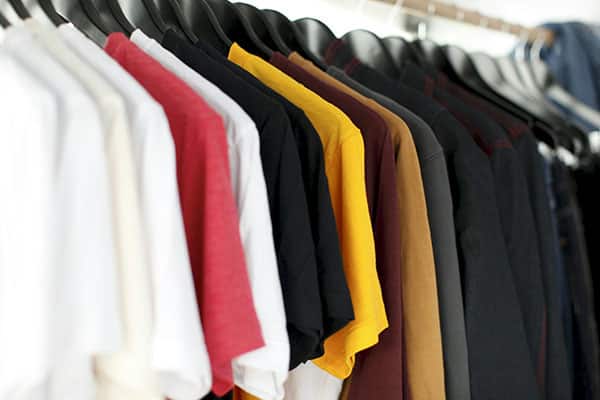
What Buyers Actually Look for in a T-Shirt Factory
Many startup brands initially think manufacturing is only about finding the cheapest supplier. Later, they realize that production reliability is far more important than saving a few cents per piece.
Experienced buyers usually evaluate several important areas before selecting a factory.
Product Consistency
One of the biggest challenges in apparel production is maintaining consistent sizing, stitching quality, fabric shade, and printing quality across bulk orders.
A reliable factory follows strict monitoring systems during every production stage to reduce these risks.
Communication Speed
Delayed replies create serious problems during production planning. International buyers often work with seasonal deadlines, launch schedules, and retail commitments.
Factories with organized communication systems can solve issues faster and avoid costly mistakes.
Sampling Capability
Before confirming bulk production, brands want to review samples carefully.
This stage is extremely important because buyers check:
- Fabric feel
- Measurement accuracy
- Print quality
- Wash performance
- Stitch finishing
- Fit consistency
Strong sample development increases buyer confidence significantly.
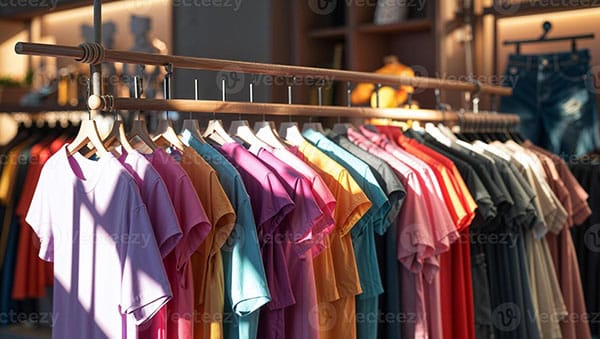
Supporting Startup Clothing Brands
Not every clothing brand starts with massive order quantities.
Many startup fashion businesses begin with limited budgets and smaller production runs. Unfortunately, some factories ignore smaller buyers completely.
Wenext Apparels works differently.
The company understands that today’s small startup brand could become tomorrow’s large international customer. Because of this, the team supports growing brands with practical manufacturing guidance and flexible development support.
Low MOQ Support
MOQ depends on product type, fabric, customization level, and printing method. However, flexible planning is often possible for developing brands.
Instead of forcing unrealistic production quantities, the goal is to help businesses grow gradually and sustainably.
Design Development Assistance
Some startup owners have strong ideas but limited technical knowledge.
Factories with real production experience can help improve:
- Fabric selection
- GSM recommendation
- Fit adjustments
- Printing compatibility
- Label placement
- Packaging decisions
This guidance helps reduce production mistakes and unnecessary costs.
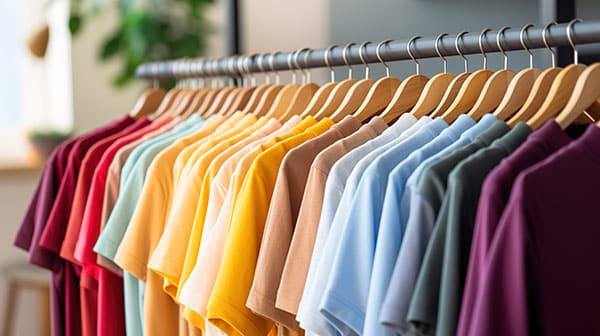
Fabric Sourcing Is More Important Than Most Buyers Think
Many production problems actually begin with poor fabric sourcing.
Even attractive T-shirt designs can fail if the fabric quality is inconsistent. Shrinkage issues, color variation, twisting, or poor softness can damage brand reputation quickly.
Experienced factories pay close attention to sourcing because fabric quality affects almost every part of the final product.
Popular Fabric Options
Different markets require different fabric types.
Single Jersey Cotton
Soft, breathable, and widely used for everyday casualwear.
Heavyweight Cotton
Popular among premium and oversized streetwear brands.
Organic Cotton
Preferred by sustainable clothing companies and eco-conscious buyers.
Polyester Performance Fabric
Used heavily in sportswear and gym apparel production.
Cotton Spandex Blend
Offers additional flexibility and comfort for fitted styles.
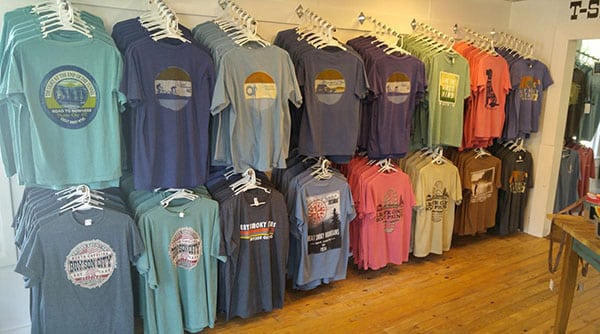
Real Production Challenges in T-Shirt Manufacturing
Many buyers only see finished garments, but production itself involves constant problem-solving.
An experienced factory must handle multiple challenges daily without affecting shipment timelines or product quality.
Shade Variation
Even small dyeing differences can become visible during bulk production. Factories must carefully control fabric lots to maintain consistency.
Print Alignment Problems
Complex artwork sometimes shifts during production. Skilled quality teams monitor print placement continuously.
Fabric Shrinkage
Without proper testing, garments may shrink after washing. Reliable factories test fabrics before cutting begins.
Measurement Tolerance Issues
Bulk production always involves tolerance management. Proper pattern development and inline checking reduce measurement inconsistencies.
Shipment Deadlines
International buyers often work with strict launch calendars. Delayed production can affect retail campaigns and seasonal sales.
Factories with organized planning systems handle these pressures more effectively.
Why Private Label Manufacturing Is Growing Rapidly
Private label manufacturing is now one of the fastest-growing sectors in the apparel industry.
Instead of selling generic products, brands want custom identity and unique presentation.
This includes:
- Neck labels
- Hang tags
- Branded packaging
- Custom size labels
- Printed logos
- Barcode stickers
A strong private label presentation increases perceived product value and brand recognition.
Building Long-Term Buyer Relationships
Factories that focus only on single orders rarely achieve stable growth.
Long-term partnerships are built through:
- Reliable communication
- Consistent quality
- Honest timelines
- Problem-solving support
- Flexible cooperation
Many international buyers prefer working with the same production partner for years because stable manufacturing reduces operational stress.
Wenext Apparels focuses on building these long-term relationships rather than simply processing orders.
Production Capacity and Bulk Order Management
Bulk apparel production requires organized workflow management.
Large orders involve:
- Fabric planning
- Cutting schedules
- Sewing line balancing
- Printing coordination
- Quality monitoring
- Packaging control
- Shipping preparation
Factories without proper systems often struggle when production volume increases.
Efficient workflow management helps maintain delivery timelines while protecting product quality.
Why Quality Control Cannot Be Ignored
Quality inspection is one of the most important areas in garment manufacturing.
Without proper checking systems, even small defects can create expensive problems after shipment.
Fabric Inspection
Before production starts, fabrics are checked for:
- GSM accuracy
- Color consistency
- Fabric defects
- Shrinkage performance
Inline Production Inspection
During sewing, teams monitor:
- Stitch quality
- Measurement accuracy
- Label placement
- Thread trimming
Final Inspection
Finished garments are reviewed before packing to ensure buyer requirements are met.
Strong quality systems reduce returns, complaints, and reputation damage.
The Rise of Sustainable T-Shirt Manufacturing
The apparel industry is changing rapidly as more buyers focus on sustainability.
Brands increasingly ask factories about:
- Organic fabrics
- Recycled materials
- Eco-friendly packaging
- Waste reduction
- Responsible sourcing
Factories that adapt to these trends will remain more competitive in the future global market.
Why Many Buyers Prefer Working with Bangladesh Factories
Bangladesh remains attractive because factories combine production capability with cost efficiency.
However, successful sourcing depends on selecting the right production partner.
Reliable factories provide more than low pricing.
They help buyers with:
- Sampling support
- Technical guidance
- Production planning
- Fabric sourcing
- Shipping coordination
- Private labeling
This complete support system helps brands operate more efficiently.
How Wenext Apparels Supports Global Brands
Wenext Apparels works with buyers from different apparel sectors including:
- Streetwear brands
- Sportswear companies
- Promotional clothing businesses
- Startup fashion labels
- Wholesale importers
The company focuses on balancing product quality, communication, and production efficiency.
Flexible Manufacturing Support
Every buyer has different production requirements. Some need smaller startup quantities, while others require large-scale bulk manufacturing.
The production team plans accordingly to maintain smooth workflow management.
Practical Communication
International manufacturing becomes easier when communication remains clear and organized.
Quick updates, production discussions, and transparent timelines help reduce confusion during manufacturing.
Product Development Assistance
The company helps buyers improve products before mass production starts, reducing the risk of expensive production mistakes later.
Internal Linking Opportunity
Businesses looking for a trusted
T-shirt manufacturer in Bangladesh
can explore complete apparel manufacturing solutions from Wenext Apparels.
FAQ
What is the MOQ for custom T-shirt manufacturing?
MOQ depends on fabric type, printing method, color variations, and customization requirements. Flexible options may be available for startup brands.
Can startup clothing brands work with Bangladesh factories?
Yes. Many factories now support smaller and growing fashion brands with sampling and low-volume production options.
What fabrics are commonly used for T-shirts?
Popular fabrics include cotton jersey, heavyweight cotton, organic cotton, polyester performance fabric, and cotton-spandex blends.
Do factories provide private labeling services?
Yes. Professional manufacturers usually offer custom labels, tags, packaging, and branding support.
Why is Bangladesh popular for apparel manufacturing?
Bangladesh offers strong knitwear expertise, competitive pricing, large production capacity, and extensive export experience.
Our Final opinion as a T-shirt Manufacturer
Finding the best T-shirt factory in Bangladesh involves much more than comparing prices. Successful apparel production depends on communication quality, fabric sourcing, technical knowledge, production consistency, and long-term manufacturing reliability.
For fashion brands, startup businesses, wholesalers, and global importers, working with an experienced manufacturing partner can simplify the entire production process while improving final product quality.
Wenext Apparels supports clothing brands with flexible manufacturing solutions, practical production support, custom development services, and export-focused apparel manufacturing experience. From sampling and sourcing to bulk production and shipment coordination, the company helps buyers create high-quality T-shirt collections for competitive global markets.