
Bulk T-Shirt Manufacturer: 5 Smart Production Solutions for Growing Apparel Brands
As clothing brands grow, production challenges also increase. Small manufacturing problems that may seem manageable during early-stage development can quickly become serious issues once quantities increase. Delayed shipments, inconsistent sizing, fabric shortages, poor communication, and unstable print quality can affect customer trust and damage long-term business growth.
Because of this, fashion brands, wholesalers, retailers, promotional companies, and importers often search for a reliable bulk T-shirt manufacturer capable of handling large production volumes without sacrificing product quality or delivery timelines.
Wenext Apparels works with international apparel buyers looking for organized production support, flexible manufacturing capability, and dependable communication throughout the entire production process. Instead of simply producing garments, the company focuses on helping brands manage scalable apparel production more efficiently.
For businesses planning to expand product lines, launch seasonal collections, or fulfill high-volume wholesale demand, selecting the right manufacturing partner becomes one of the most important business decisions.
Why Bulk Production Requires Different Manufacturing Experience
Producing 300 pieces and producing 30,000 pieces are completely different operational challenges.
Many factories can create attractive samples, but maintaining consistent quality across large production runs requires much stronger production systems.
Bulk manufacturing involves careful coordination between:
- Fabric sourcing
- Dyeing schedules
- Cutting plans
- Printing sections
- Sewing lines
- Quality inspection
- Packaging management
- Shipping timelines
Without organized workflow management, production delays and quality inconsistencies become very common.
Experienced factories understand how to balance these processes while maintaining delivery schedules.
Common Problems Buyers Face with Large T-Shirt
International buyers often encounter avoidable production problems when working with inexperienced suppliers.
Fabric Shade Variation
One of the biggest bulk production issues is inconsistent fabric shade between different dye lots.
This problem becomes more visible in larger where multiple fabric batches are required.
Reliable factories monitor dye lots carefully to maintain color consistency throughout production.
Printing Inconsistency
In large-volume production, even slight print alignment problems can affect hundreds or thousands of garments.
Professional production teams continuously inspect print quality during manufacturing instead of waiting until final inspection.
Shipment Delays
Production delays can seriously affect fashion launches, promotional campaigns, and retail schedules.
Strong factories prepare production plans early to reduce timing risks.
Measurement Inconsistency
Bulk production always involves tolerance management. Proper pattern grading and inline checking help maintain sizing consistency.
Flexible MOQ Support for Different Business Stages
MOQ remains one of the biggest concerns for clothing brands.
Some factories only prioritize very large buyers, while others offer more flexible production planning depending on product complexity and sourcing requirements.
Wenext Apparels works with different types of businesses including:
- Startup clothing brands
- Wholesale distributors
- Promotional apparel companies
- Corporate buyers
- E-commerce fashion brands
MOQ usually depends on:
- Fabric type
- Color quantity
- Printing method
- Label customization
- Packaging requirements
Instead of applying unrealistic production conditions, flexible planning often helps brands scale production gradually.
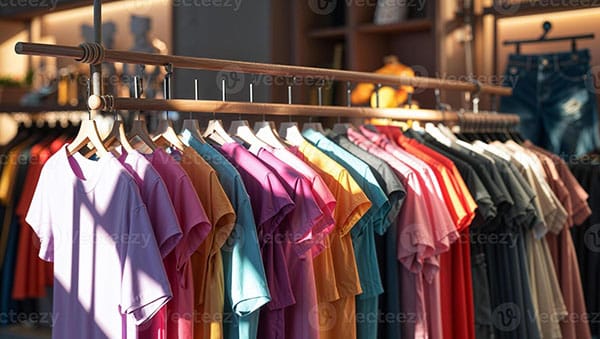
Fabric Sourcing Challenges in Bulk Apparel Production
Many buyers underestimate the importance of fabric sourcing during large production runs.
Poor sourcing decisions often create problems later in production.
Fabric Availability
Certain fabrics may become unavailable during peak seasons. Early planning helps avoid production interruptions.
GSM Consistency
Maintaining consistent GSM across bulk fabric lots is extremely important for product quality.
Shrinkage Control
Improper shrinkage control can affect garment measurements after washing.
Reliable factories test fabrics before mass production begins.
Sustainable Material Demand
More international buyers now request:
- Organic cotton
- Recycled polyester
- Eco-friendly fabrics
- Sustainable packaging
Factories must adapt to these changing sourcing demands.
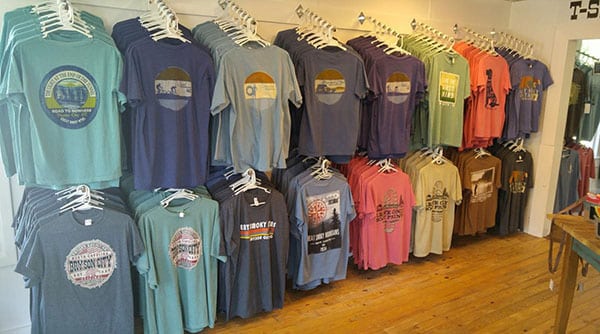
Types of Bulk T-Shirts Commonly Manufactured
Different buyers require different T-shirt categories depending on their target market.
Promotional T-Shirts
Businesses often promotional garments for events, campaigns, and branding activities.
Fashion T-Shirts
Fashion brands focus heavily on fit, wash effects, fabric quality, and unique design details.
Oversized Streetwear T-Shirts
Streetwear collections increasingly use heavyweight fabrics and relaxed silhouettes.
Sportswear T-Shirts
Performance apparel brands require breathable and moisture-management fabrics.
Basic Wholesale T-Shirts
Retailers and wholesalers often prioritize cost-efficient, repeatable production.
Real Production Experience Matters More Than Marketing
Many suppliers present themselves professionally online, but actual manufacturing experience becomes visible during production challenges.
Experienced production teams know how to handle:
- Tight shipment schedules
- Fabric shortages
- Print corrections
- Last-minute revisions
- Measurement adjustments
- Labeling changes
- Packaging complications
Strong factories solve problems quickly instead of creating additional confusion during production.
Why Communication Is Critical During Bulk
Clear communication is one of the most underrated parts of garment manufacturing.
International buyers often work across different time zones, launch schedules, and shipping deadlines. Slow communication can create unnecessary stress and expensive mistakes.
Professional production management includes:
- Order updates
- Production tracking
- Sample feedback
- Approval coordination
- Shipment planning
Factories with organized communication systems usually maintain smoother long-term partnerships with buyers.
Private Label Support for Bulk Buyers
Modern brands want products that reflect their own identity instead of generic garments.
Private labeling helps businesses create stronger brand recognition and customer loyalty.
Common Private Label Services
- Neck labels
- Printed labels
- Hang tags
- Barcode stickers
- Poly bag customization
- Carton marking
- Custom packaging
Large wholesale buyers often require these services to maintain retail consistency across multiple markets.
Quality Control in Large-Scale T-Shirt Manufacturing
Bulk production increases operational complexity, making quality control even more important.
Reliable export garment factories perform inspections throughout production instead of relying only on final checking.
Fabric Inspection
Before cutting starts, fabrics are checked for:
- Color consistency
- GSM accuracy
- Defects
- Shrinkage performance
Inline Inspection
During sewing, teams monitor:
- Stitch quality
- Measurements
- Print placement
- Label positioning
Final Inspection
Finished garments are reviewed before shipment to ensure buyer specifications are maintained.
Strong quality systems reduce return risks and improve customer satisfaction.
Why Many Global Buyers Choose Bangladesh
Bangladesh remains one of the world’s strongest knitwear manufacturing countries because factories combine production capability with competitive pricing.
However, experienced buyers now prioritize factories that offer:
- Stable communication
- Better organization
- Flexible development support
- Faster sampling
- Reliable shipment coordination
Manufacturing relationships today depend on much more than low pricing alone.
Supporting Startup Clothing Brands During Growth
Many growing fashion brands struggle when transitioning from small production to larger order quantities.
Production mistakes during scaling can create:
- Inventory loss
- Delivery delays
- Customer complaints
- Cash flow pressure
Factories with startup experience can help brands scale more safely by improving production planning and reducing avoidable risks.
Instead of focusing only on immediate order value, long-term manufacturing partnerships create more stable business growth.
Why Wenext Apparels Supports Long-Term Production Partnerships
Wenext Apparels works with businesses looking for dependable apparel manufacturing support instead of short-term transactional sourcing.
The company focuses on:
- Organized bulk production
- Clear communication
- Flexible order planning
- Product consistency
- Export-quality manufacturing
- Practical production management
This approach helps buyers maintain smoother operations as their businesses expand.
Internal Linking Opportunity
Businesses searching for a trusted
T-shirt manufacturer in Bangladesh
can explore complete apparel manufacturing solutions from Wenext Apparels.
FAQ
What is considered a bulk T-shirt order?
Bulk orders usually involve large production quantities intended for wholesale, retail, promotional, or export distribution.
What affects MOQ for bulk T-shirt manufacturing?
MOQ depends on fabric type, color variations, printing methods, labeling, and customization requirements.
Can startup brands place bulk apparel orders?
Yes. Many factories support growing brands with scalable production planning and flexible development support.
What fabrics are commonly used in bulk T-shirt production?
Cotton jersey, heavyweight cotton, polyester blends, organic cotton, and performance fabrics are widely used.
Why is communication important during bulk production?
Clear communication helps reduce production mistakes, shipment delays, and approval confusion during manufacturing.