
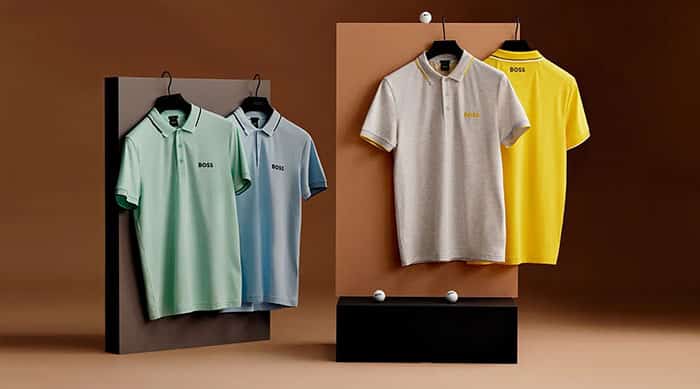
Best Polo Shirt Factory in Bangladesh for Global Apparel Buyers
Bangladesh has become one of the strongest global sourcing destinations for polo shirt manufacturing. International buyers now source polo apparel from Bangladesh not only because of competitive pricing, but also because of the country’s growing expertise in knitwear production, export operations, fabric sourcing, and large-scale manufacturing systems.
However, not every factory operates at the same standard.
A professional polo manufacturing factory must maintain:
- collar consistency
- embroidery precision
- stable sizing
- fabric quality
- shipment coordination
- repeat production reliability
Even small production inconsistencies can affect customer perception quickly, especially for premium polo collections and corporate apparel programs.
Wenext Apparels supports global apparel businesses with organized polo manufacturing solutions designed for scalable production, export-quality finishing, and long-term sourcing stability.
Why Buyers Choose the Best Polo Shirt Factory in Bangladesh
International apparel buyers increasingly prefer Bangladesh because factories combine:
- skilled knitwear labor
- export manufacturing experience
- scalable production capability
- competitive sourcing
- flexible customization support
A reliable best polo shirt factory in Bangladesh helps buyers maintain:
- consistent product quality
- repeat sizing accuracy
- embroidery balance
- organized shipment scheduling
- long-term production stability
This becomes especially important for wholesalers, hospitality companies, retailers, and fashion brands managing repeat orders globally.
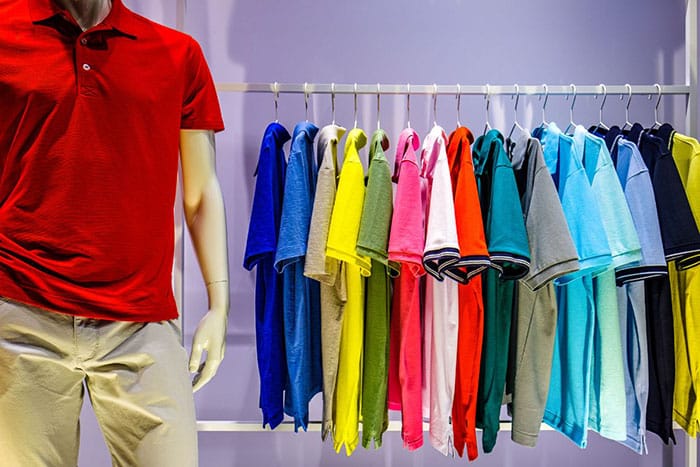
Polo Manufacturing Requires Technical Precision
Polo shirts involve more structured garment construction compared to regular knitwear products.
Factories must carefully manage:
- rib collar attachment
- placket symmetry
- embroidery positioning
- button alignment
- shrinkage control
- side slit finishing
During large-scale production, even small technical problems become highly visible across bulk orders.
Factories without specialized knitwear systems often struggle to maintain consistency during export manufacturing cycles.
Fabric Selection Influences Product Positioning
Fabric choice directly affects:
- customer comfort
- durability
- embroidery performance
- shrinkage behavior
- long-term appearance
Different markets demand different fabric structures depending on pricing and branding strategy.
Pique Cotton Fabric
One of the most widely used materials because of:
- breathable texture
- premium appearance
- shape stability
Cotton-Polyester Blend
Frequently selected for:
- corporate uniforms
- hospitality apparel
- workwear collections
because it offers stronger durability and easier maintenance.
Stretch Performance Fabric
Popular among golfwear and lifestyle brands seeking flexibility and comfort.
Sustainable Polo Fabric Programs
Many modern buyers now discuss responsible sourcing during product development.
Organizations such as
Better Cotton
continue supporting responsible cotton sourcing practices worldwide.
MOQ Planning Depends on Manufacturing Structure
MOQ for polo production depends on several operational factors.
Factories usually evaluate:
- fabric dyeing
- custom collars
- embroidery setup
- label sourcing
- packaging customization
- accessory requirements
For example, private label polo collections with custom trims generally require more coordination compared to stock garment programs.
Experienced manufacturers review the complete sourcing structure before finalizing production quantities.
Real Factory Challenges During Polo Production
Bulk polo manufacturing creates operational pressure across multiple departments.
Collar Shade Variation
Maintaining exact color consistency between rib collars and body fabric requires close dyeing monitoring.
Embroidery Distortion
Improper embroidery settings can affect fabric balance during production.
Measurement Stability
Accurate grading becomes difficult during large-scale production without organized inline inspection systems.
Packaging Coordination
Custom packaging materials sometimes arrive later than expected during peak manufacturing seasons.
Factories with strong workflow management systems usually identify these issues earlier before shipment deadlines become affected.

Why Sampling Is Essential Before Bulk Production
Professional buyers usually inspect polo samples carefully before approving production.
During development stages, buyers often evaluate:
- collar balance
- embroidery sharpness
- fabric shrinkage
- stitching consistency
- button quality
- overall fit structure
Detailed sample approval reduces production revision risk significantly during mass manufacturing.
Factories that rush sampling frequently create avoidable operational problems later.
Startup Brands Often Need Manufacturing Guidance
Many startup clothing businesses understand branding but lack technical apparel production experience.
Common development questions include:
- Which polo fabric feels more premium?
- What embroidery style works best?
- Which collar design suits the market?
- What MOQ is realistic?
- Which packaging structure improves branding?
Factories with real manufacturing experience help simplify these decisions while keeping production scalable for long-term growth.
Instead of forcing unnecessary complexity, experienced production teams usually focus on practical business expansion.
Communication Quality Affects Production Stability
Export apparel manufacturing requires constant coordination between:
- sourcing teams
- embroidery departments
- sewing lines
- packaging units
- export logistics
Poor communication creates unnecessary production issues such as:
- delayed approvals
- wrong labels
- embroidery revisions
- shipment confusion
Reliable factories maintain structured communication systems throughout production cycles.
This improves operational stability for both buyers and manufacturers.
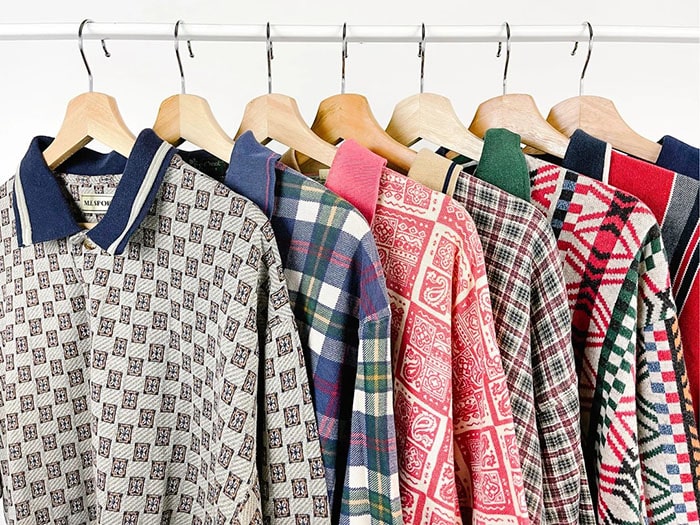
Private Label Polo Programs Continue Expanding
Modern apparel businesses increasingly prefer customized products instead of generic wholesale garments.
Private label support may include:
- woven neck labels
- branded buttons
- embroidery branding
- custom packaging
- hang tags
- barcode stickers
These details improve product presentation and strengthen customer recognition.
Businesses searching for a trusted
private label apparel manufacturer
often prioritize suppliers capable of balancing branding requirements with stable bulk production systems.
Bangladesh Continues Growing as a Knitwear Hub
Bangladesh remains one of the world’s strongest knitwear sourcing destinations because factories combine:
- export expertise
- skilled labor
- scalable production capability
- competitive manufacturing cost
- knitwear specialization
However, global buyers now evaluate more than pricing alone.
Factories that improve:
- sourcing transparency
- communication quality
- production workflow
- quality monitoring
continue building stronger international sourcing relationships.
Industry discussions published by
Fibre2Fashion
regularly highlight Bangladesh’s continued expansion in export-oriented apparel manufacturing.
Businesses searching for organized
Polo Shirt Manufacturing Company
support often prioritize factories with structured production management and strong customization capability.
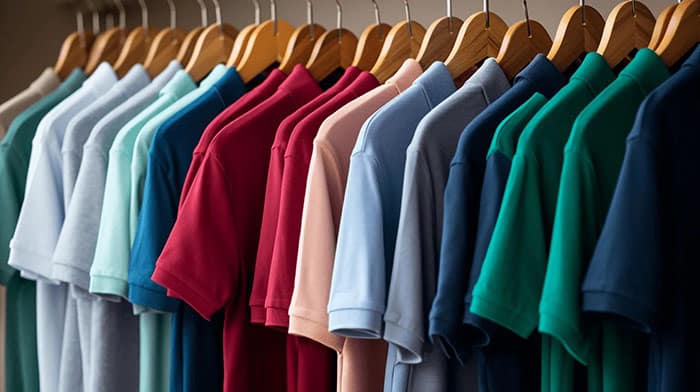
How Wenext Apparels Supports Polo Buyers
Wenext Apparels works with:
- fashion brands
- wholesalers
- hospitality companies
- corporate apparel buyers
- startup clothing businesses
Some buyers require:
- premium polo collections
- embroidery-focused manufacturing
- private label support
- flexible MOQ planning
Others need assistance with:
- sourcing coordination
- packaging development
- fit consistency
- production scheduling
Instead of applying identical manufacturing systems to every project, workflow planning is adjusted according to sourcing complexity, buyer objectives, and product structure.
FAQ
Why is Bangladesh famous for polo shirt manufacturing?
Bangladesh offers knitwear expertise, export capability, skilled labor, and scalable garment manufacturing systems.
What fabrics are commonly used for polo shirts?
Pique cotton, cotton-poly blends, stretch fabrics, and sustainable fabric programs are widely used.
What affects MOQ for polo production?
MOQ depends on embroidery setup, custom trims, fabric sourcing, packaging, and accessory requirements.
Can startup brands manufacture polos in Bangladesh?
Yes. Many factories support startup brands with sourcing guidance and flexible production planning.
Why do buyers choose private label polo manufacturing?
Private label production improves branding, customer recognition, and long-term product identity.
Polo shirt manufacturing requires production discipline, sourcing coordination, and quality control systems that many buyers initially underestimate. Collar consistency, embroidery quality, fabric stability, and workflow management all influence long-term product reliability during export production cycles.
For fashion labels, wholesalers, hospitality businesses, and corporate apparel programs, working with the best polo shirt factory in Bangladesh can improve sourcing efficiency while supporting stronger long-term apparel branding.
Wenext Apparels supports global apparel buyers with organized knitwear production systems, flexible sourcing support, export-focused manufacturing solutions, and customized polo development designed for evolving international apparel markets.