
Eco-Friendly T-Shirts: 7 Smart Sustainable Solutions
Sustainability is no longer just a marketing trend in the apparel industry. Modern consumers are paying closer attention to how clothing products are made, what materials are used, and whether brands follow responsible manufacturing practices.
Because of this shift, fashion businesses around the world are actively searching for manufacturing partners that can support more sustainable production systems without compromising product quality or commercial scalability.
For many brands, becoming environmentally responsible is not only about using organic fabrics. It also involves better sourcing decisions, lower production waste, safer chemical processes, and more transparent supply chain management.
Wenext Apparels works with clothing brands looking for practical eco-conscious manufacturing support, flexible product development, and responsible apparel production planning for modern global markets.
Why Sustainable Apparel Demand Is Growing Rapidly
Consumer expectations have changed significantly over the last few years.
Buyers now ask questions that were previously uncommon in the apparel industry:
- Where does the fabric come from?
- Is the cotton responsibly sourced?
- Are recycled materials used?
- How is production waste managed?
- What packaging materials are used?
Many fashion brands now understand that sustainability can directly influence customer trust and long-term brand value.
This is especially true for:
- Streetwear brands
- Lifestyle clothing companies
- Premium fashion labels
- Corporate merchandise businesses
- Online apparel startups
Sustainable Production Is More Than Organic Cotton
Some businesses assume sustainability simply means using organic cotton fabric. In reality, responsible manufacturing involves multiple operational decisions throughout the production cycle.
Responsible Fabric Sourcing
Fabric sourcing plays a major role in reducing environmental impact.
Popular sustainable fabric options include:
- Organic cotton
- Recycled polyester
- Cotton-recycled blends
- Bamboo fabric
- Low-impact dyed fabrics
Organizations such as
Textile Exchange
continue promoting more responsible sourcing practices across the global textile industry.
Waste Reduction During Production
Garment factories generate fabric waste during cutting and production.
Experienced factories try to reduce waste through:
- Better marker efficiency
- Smarter cutting planning
- Fabric utilization monitoring
- Production optimization
Even small improvements can significantly reduce material waste during bulk manufacturing.
Why Many Sustainable Brands Struggle with Manufacturing
Many growing eco-conscious brands face difficulties when trying to scale production.
Common challenges include:
- Limited fabric availability
- High sourcing costs
- MOQ restrictions
- Longer lead times
- Inconsistent material quality
Sustainable materials often require more careful production planning compared to standard fabric sourcing.
Factories with real sourcing experience can help brands manage these challenges more effectively.
Organic Cotton Is Becoming More Popular Worldwide
Organic cotton demand continues increasing because consumers are becoming more aware of environmental and sourcing issues.
Compared to conventional cotton, organic cotton production focuses more on:
- Reduced chemical usage
- Responsible farming practices
- Lower environmental impact
Many premium brands now use organic cotton T-shirts as part of their sustainability positioning.
However, sourcing consistency remains important.
Not all organic fabrics perform the same way in bulk production. Fabric softness, shrinkage control, GSM consistency, and dye quality still require careful monitoring during manufacturing.
Production Planning Becomes More Complex with Sustainable Fabrics
Eco-conscious manufacturing often involves additional operational challenges that buyers may not initially expect.
Fabric Availability Issues
Sustainable fabrics are sometimes harder to source during peak production seasons.
Advance planning helps avoid production delays.
Dyeing Consistency
Maintaining shade consistency with certain sustainable fabrics may require additional testing and production control.
MOQ Management
MOQ for organic or specialty fabrics may differ from standard production because suppliers often require minimum knitting or dyeing quantities.
This is why early sourcing discussions become extremely important before production begins.
Why Startups Need Practical Guidance
Many startup brands want to launch sustainable clothing collections but lack technical manufacturing knowledge.
They may know the type of product they want but still need support with:
- Fabric selection
- GSM recommendation
- Printing compatibility
- Label sourcing
- Packaging decisions
- MOQ planning
Factories that understand both sustainability and production realities can help startups avoid expensive early-stage mistakes.
Instead of overcomplicating development, practical planning usually creates more stable long-term growth.
Sustainable Packaging Is Also Becoming Important
Consumers increasingly notice packaging quality and environmental impact.
Many apparel brands now request:
- Recyclable poly bags
- Kraft packaging
- Minimal plastic usage
- Eco-conscious labels
Even small packaging improvements can strengthen brand image.
Private Labeling for Eco-Conscious Brands
Sustainable fashion brands usually focus heavily on branding presentation and customer perception.
Private label services may include:
- Neck labels
- Organic branding tags
- Care labels
- Barcode stickers
- Sustainable packaging customization
Consistent branding helps businesses communicate product identity more effectively.
Why Communication Matters During Sustainable Production
Eco-focused apparel manufacturing often requires more detailed communication compared to basic garment production.
Buyers may request updates regarding:
- Fabric sourcing
- Certification discussions
- Dyeing approval
- Packaging selection
- Material availability
Clear communication helps reduce confusion and production delays during development.
Factories with organized communication systems usually create smoother sourcing experiences for international buyers.
Real Manufacturing Experience Helps Solve Problems Faster
Sustainable apparel production still faces many practical factory-level challenges.
For example:
- Certain recycled fabrics may behave differently during printing
- Organic fabrics may shrink differently
- Some low-impact dyes react inconsistently across fabric lots
Experienced production teams understand how to identify these issues early instead of waiting until shipment stages.
This practical knowledge becomes increasingly important during large production runs.
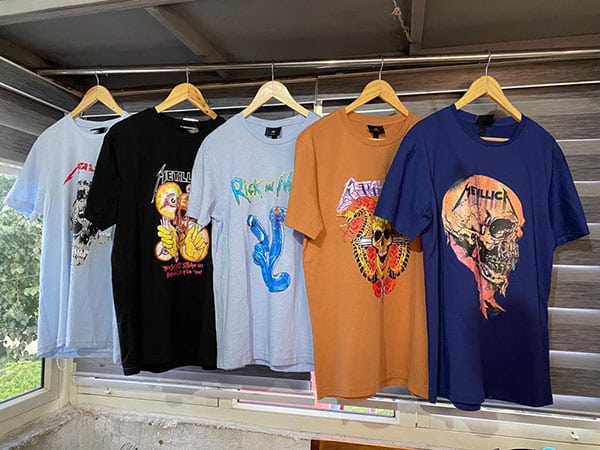
Why Bangladesh Is Becoming More Important for Sustainable Apparel
Bangladesh has traditionally been known for large-scale apparel production and knitwear manufacturing.
Now many factories are also adapting to sustainability-focused sourcing demands.
Global buyers increasingly search for manufacturers that can combine:
- Competitive production
- Better sourcing systems
- Responsible manufacturing
- Export capability
- Product consistency
This shift is creating new opportunities for eco-conscious apparel production in Bangladesh.
Businesses looking for a reliable
T-shirt manufacturer in Bangladesh
often prioritize factories that understand both manufacturing efficiency and sustainable sourcing requirements.
Supporting Long-Term Sustainable Brand Growth
Wenext Apparels works with brands looking for practical and scalable production solutions instead of short-term trend-based manufacturing.
The company supports buyers with:
- Fabric sourcing discussions
- Flexible development planning
- Bulk apparel production
- Private labeling
- Product customization
- Export-focused manufacturing support
This approach helps brands build more stable production systems while adapting to changing market expectations.
FAQ
What makes a T-shirt eco-friendly?
Eco-friendly T-shirts are usually made using more responsible materials and manufacturing processes that reduce environmental impact.
What sustainable fabrics are commonly used?
Organic cotton, recycled polyester, bamboo fabric, and recycled blends are widely used in sustainable apparel production.
Does sustainable manufacturing affect MOQ?
Yes. MOQ may vary depending on fabric sourcing requirements, dyeing processes, and material availability.
Can startup brands produce sustainable T-shirts?
Yes. Many manufacturers support smaller eco-conscious brands with flexible development planning and sourcing assistance.
Why is communication important during sustainable production?
Sustainable apparel manufacturing often involves additional sourcing discussions, approvals, and production planning compared to standard apparel production.
Conclusion
Sustainable apparel manufacturing is becoming increasingly important as global buyers and consumers demand more responsible production practices. However, successful eco-conscious production requires much more than using organic fabrics alone. Proper sourcing, production planning, communication, and practical manufacturing experience all play important roles in building stable and scalable apparel operations.
For clothing brands, startups, wholesalers, and retailers, working with an experienced eco-friendly T-shirt manufacturer can simplify sourcing decisions while improving product consistency and long-term business reliability.
Wenext Apparels supports modern apparel brands with flexible manufacturing solutions, responsible sourcing discussions, private labeling support, and export-focused production services designed for evolving global apparel markets.