
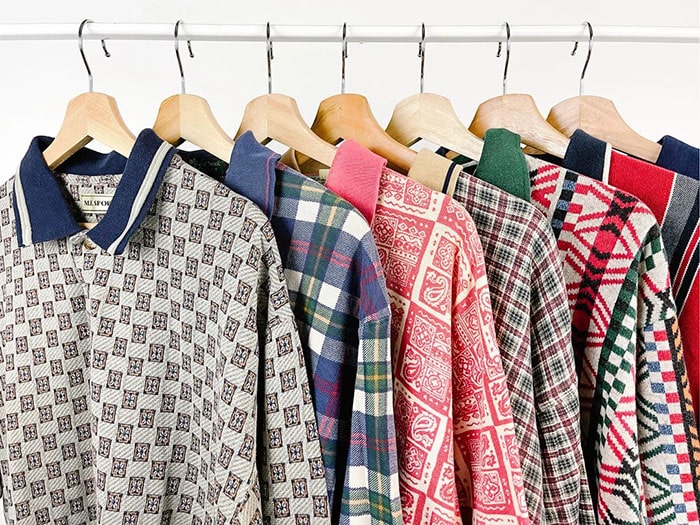
Bulk Polo Shirts Manufacturer for Scalable Apparel Production
Bulk polo shirt production is very different from small-batch garment manufacturing.
Once production quantities increase, factories must manage multiple operational areas simultaneously. Fabric sourcing, collar matching, embroidery coordination, sewing balance, finishing quality, and shipment scheduling all become interconnected. A small production issue can quickly affect thousands of garments if workflow systems are not properly controlled.
This is why experienced buyers rarely choose suppliers based only on low pricing.
Businesses ordering bulk polo apparel usually prioritize:
- repeat consistency
- production reliability
- communication quality
- stable sourcing
- delivery performance
Wenext Apparels supports international apparel buyers with organized bulk polo manufacturing solutions designed for scalable production, export-quality finishing, and long-term sourcing stability.
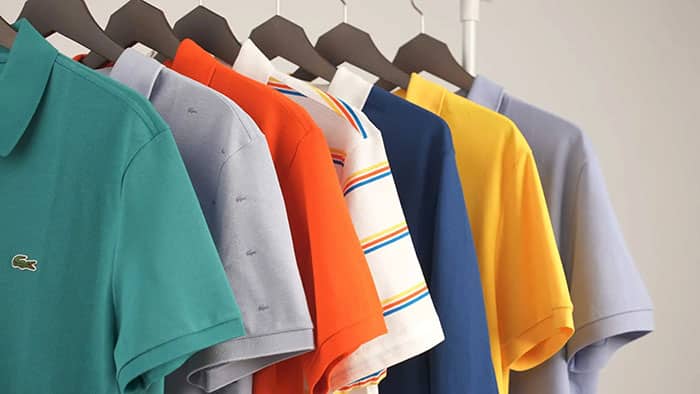
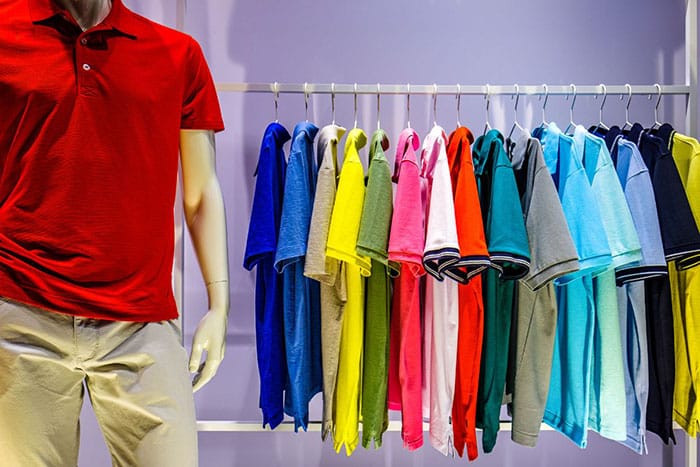
Organic Cotton Polo Fabric
Some modern apparel businesses now prioritize more responsible sourcing discussions during production planning.
Organizations such as
OEKO-TEX®
continue supporting safer textile production standards worldwide.
MOQ Planning Changes in Large-Scale Polo Production
MOQ discussions in bulk manufacturing are usually more technical than new buyers expect.
Production quantities often depend on:
- fabric dyeing structure
- collar knitting requirements
- embroidery setup
- custom accessories
- packaging customization
- shipment planning
For example, custom rib collars and branded buttons require additional coordination compared to basic stock programs.
Experienced factories evaluate the entire project structure before finalizing production quantities.
Real Factory Challenges During Bulk Polo Production
Many operational issues appear only after bulk production begins.
Collar Shade Variation
Matching collar and body fabric colors consistently across large dye lots can become difficult.
Embroidery Balance Problems
Heavy logos may distort fabric if embroidery tension is not properly managed.
Button Supply Delays
Custom button sourcing occasionally creates production bottlenecks during peak seasons.
Measurement Tolerance Control
Maintaining accurate grading across large production volumes requires constant inline inspection.
Factories with organized quality systems usually identify these issues earlier before shipment schedules become affected.
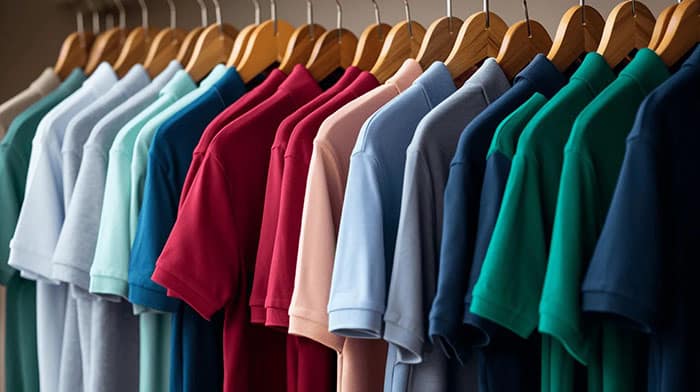
Why Sampling Is Extremely Important
Bulk buyers often spend more time reviewing polo samples than ordinary knitwear products.
During sample evaluation, buyers usually inspect:
- collar shape
- embroidery positioning
- shrinkage behavior
- stitching quality
- placket alignment
- fit structure
Detailed pre-production approval reduces manufacturing risk significantly during mass production stages.
Factories that rush sampling frequently create expensive revisions later.
Startup Brands Often Miscalculate Bulk Production
Some growing apparel businesses increase order quantity too quickly before stabilizing:
- sizing consistency
- sourcing quality
- embroidery standards
- packaging workflow
This creates operational pressure during production scaling.
Factories with real bulk manufacturing experience often recommend gradual production expansion instead of aggressive scaling too early.
This approach usually creates healthier long-term business growth.
Communication Becomes More Important During Large Orders
Bulk apparel manufacturing requires constant coordination between:
- sourcing teams
- sampling departments
- embroidery sections
- sewing lines
- quality control
- export logistics
Poor communication creates avoidable production problems such as:
- wrong labels
- delayed approvals
- packaging confusion
- shipment timing issues
Reliable factories maintain structured communication systems throughout production.
Clear updates help buyers manage inventory planning and launch schedules more efficiently.
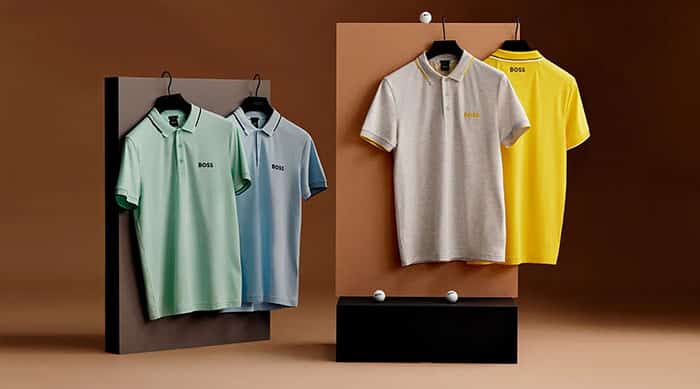
Private Label Bulk Polo Programs Continue Growing
Modern apparel businesses increasingly prefer customized products instead of generic wholesale garments.
Private label polo development may include:
- woven neck labels
- branded buttons
- custom packaging
- embroidery branding
- hang tags
- barcode stickers
These details improve product presentation and strengthen customer recognition.
Businesses looking for a trusted
private label apparel manufacturer
often prioritize suppliers capable of supporting both branding requirements and large-scale production consistency.
Bangladesh Remains Strong for Bulk Knitwear Manufacturing
Bangladesh continues expanding its global apparel reputation because factories combine:
- skilled garment labor
- export expertise
- competitive sourcing
- large manufacturing capacity
- knitwear specialization
However, modern buyers now evaluate much more than production cost.
Factories that improve:
- communication systems
- sourcing transparency
- production workflow
- shipment management
remain more competitive in international apparel markets.
Industry discussions published by
Textile Today
frequently highlight the continued growth of Bangladesh’s export-oriented knitwear sector.
Businesses searching for organized
Polo Shirt Manufacturing Company
support often prioritize factories capable of maintaining stable bulk production quality.
How Wenext Apparels Supports Bulk Polo Buyers
Wenext Apparels works with:
- corporate apparel buyers
- hospitality businesses
- wholesalers
- fashion retailers
- startup clothing brands
Some clients require:
- repeat uniform production
- embroidery-focused manufacturing
- flexible MOQ planning
- large-scale export support
Others need assistance with:
- sourcing coordination
- packaging development
- production scheduling
- fit consistency
Instead of applying identical production systems to every project, workflow planning is adjusted according to order volume, sourcing complexity, and buyer objectives.
FAQ
Why is bulk polo production more difficult than regular knitwear?
Bulk polo manufacturing involves collars, embroidery, plackets, and additional quality control requirements.
What fabrics are commonly used for bulk polos?
Cotton pique, cotton-poly blends, stretch fabrics, and organic cotton are widely used.
What affects MOQ for bulk polo production?
MOQ depends on fabric sourcing, collar customization, embroidery setup, packaging, and shipment structure.
Can startup brands order bulk polo shirts?
Yes. Many factories support growing brands with flexible development planning and scalable production systems.
Why do buyers source polo apparel from Bangladesh?
Bangladesh offers knitwear expertise, export experience, skilled labor, and scalable manufacturing capability.
Bulk polo manufacturing requires production discipline, sourcing coordination, and operational stability that many buyers initially underestimate. Collar consistency, embroidery quality, measurement accuracy, and workflow organization all influence long-term product reliability during large production cycles.
For wholesalers, hospitality businesses, fashion retailers, and corporate uniform programs, working with an experienced Bulk Polo Shirts Manufacturer can improve sourcing efficiency while reducing production pressure during high-volume manufacturing.
Wenext Apparels supports modern apparel buyers with organized knitwear production systems, flexible sourcing support, export-focused manufacturing solutions, and customized bulk polo development designed for evolving international apparel markets.