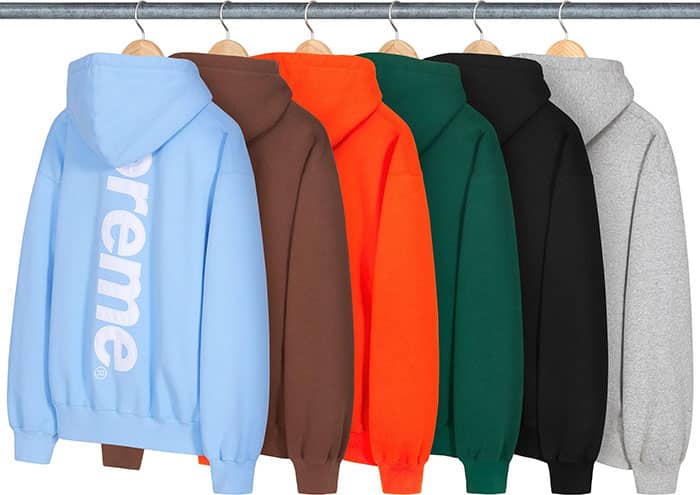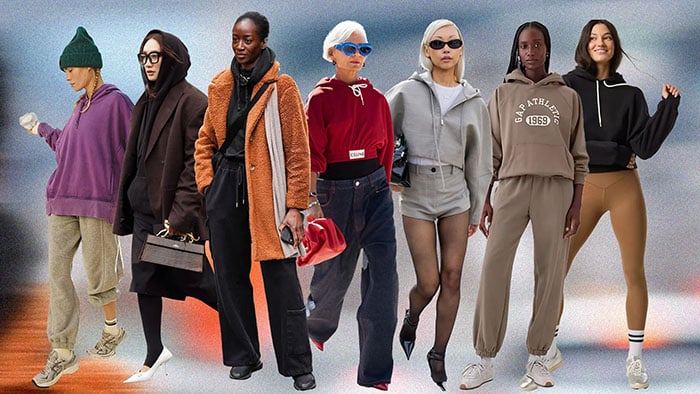
Bangladesh Hoodie Manufacturer for Global Streetwear and Apparel Brands
A few years ago, most international buyers sourced hoodies mainly from China for large-scale production. Today, sourcing patterns are changing rapidly. Many fashion brands, wholesalers, gymwear companies, and startup streetwear labels are now exploring Bangladesh because the country has become much stronger in knitwear manufacturing, fleece sourcing, and export apparel production.
But buyers quickly discover something important after entering hoodie production:
Not every factory understands hoodies properly.
Hoodie manufacturing requires more technical control than many standard knitwear products because buyers expect:
- balanced oversized fitting
- stable fleece quality
- durable printing
- accurate rib matching
- long-term shape retention
- premium finishing
A weak production system may create major issues during bulk manufacturing, especially when brands scale internationally.
Wenext Apparels supports modern apparel businesses with organized hoodie manufacturing solutions focused on export-quality production, flexible customization, and long-term sourcing reliability.
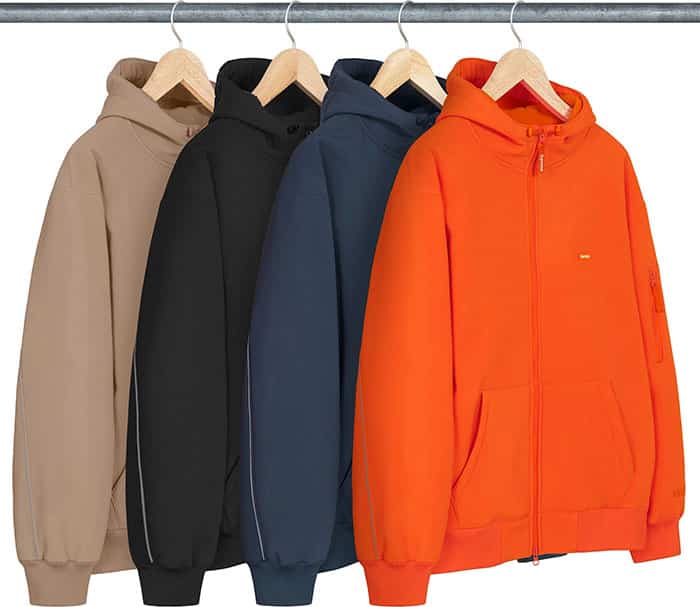
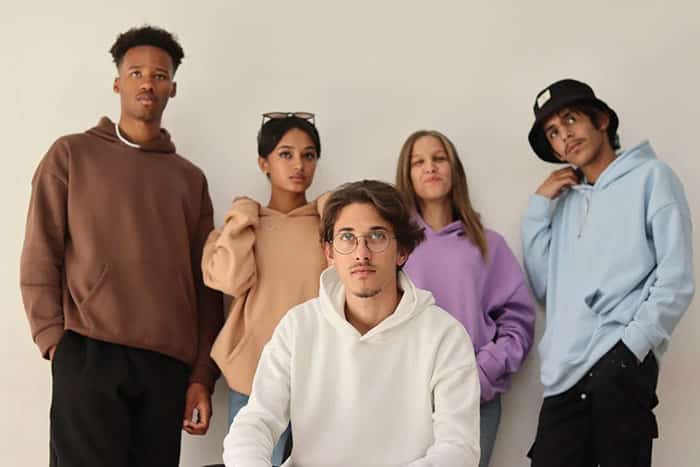
Hoodie Development Usually Begins Before Fabric Cutting
Most buyers focus first on:
- graphics
- branding
- color combinations
- oversized styling
However, real hoodie development starts much earlier.
Factories must carefully evaluate:
- fleece behavior
- GSM selection
- wash stability
- shrinkage control
- print compatibility
- hood construction
For example, heavyweight oversized hoodies require very different development planning compared to lightweight promotional fleece garments.
Factories without strong product development systems often struggle during customized hoodie manufacturing.
Sample Development Requires Continuous Buyer Communication
One of the biggest problems in apparel manufacturing happens during sample development.
Small styling mistakes during sampling often create expensive production problems later during bulk orders.
Because of this, Wenext Apparels always prioritizes regular client follow-up during sample development to reduce errors before production begins.
In many projects, buyers initially provide:
- reference pictures
- inspiration screenshots
- sample garments
- social media images
instead of detailed technical documents.
Experienced development teams can study garment styling and construction details from visual references before starting sample production.
Buyer-provided tech packs also help simplify development because they contain:
- measurements
- artwork placement
- stitching instructions
- fitting requirements
- fabric specifications
Modern CAD Technology Improves Pattern Accuracy
Pattern development strongly influences:
- fitting balance
- grading precision
- fabric utilization
- production consistency
Wenext Apparels uses modern CAD technology for hoodie pattern development and grading.
CAD systems help improve:
- accurate sizing
- grading consistency
- measurement precision
- workflow efficiency
This becomes especially important during oversized hoodie production where small grading mistakes can affect the final garment appearance significantly.
Fabric Selection Changes Hoodie Performance
Fabric choice directly affects:
- warmth
- softness
- shrinkage behavior
- print durability
- customer comfort
Different markets require different hoodie structures depending on branding strategy and target pricing.
Heavyweight Cotton Fleece
Popular among premium streetwear brands because of:
- structured appearance
- luxury feel
- oversized fit support
Cotton-Poly Fleece Blend
Frequently selected for:
- sportswear
- promotional apparel
- gymwear collections
because it offers stronger durability and shape retention.
French Terry Fabric
Often preferred for lighter hoodies designed for year-round use.
Sustainable Hoodie Fabrics
Many modern apparel brands now discuss responsible sourcing during hoodie development.
Organizations such as
Textile Exchange
continue promoting responsible textile sourcing practices globally.
Hoodie Pricing Depends on Production Structure
Hoodie pricing usually depends on:
- order quantity
- fleece quality
- printing complexity
- embroidery requirements
- oversized fitting
- packaging customization
Small highly customized runs often follow different costing structures compared to large-scale bulk manufacturing.
Wenext Apparels supports:
- small quantity production
- medium quantity production
- large quantity production
depending on sourcing structure, customization level, and buyer requirements.
The factory currently maintains an approximate daily production capacity of around 3,000 pieces depending on product complexity and production planning.
Real Factory Challenges During Hoodie Manufacturing
Many operational problems happen behind the scenes during hoodie production.
Fleece Shade Variation
Different dye lots may create visible color inconsistency during bulk manufacturing.
Oversized Fit Imbalance
Streetwear silhouettes require highly controlled grading during cutting stages.
Print Cracking Issues
Improper curing temperatures can reduce print durability after repeated washing.
Rib Shrinkage Problems
Low-quality rib fabrics may shrink differently from the hoodie body after washing.
Factories with strong inline quality systems usually identify these issues earlier before shipment deadlines become affected.
Industry discussions published by
Fibre2Fashion
frequently highlight the growing global demand for oversized fleece apparel and premium hoodie collections.
Why Sample Approval Matters Before Bulk Production
Professional hoodie buyers usually spend significant time reviewing development samples before approving manufacturing.
During sample approval stages, buyers often inspect:
- fleece softness
- hood structure
- stitching quality
- print sharpness
- rib balance
- shrinkage behavior
Detailed sample approval reduces manufacturing revision risk significantly during bulk production.
Factories that rush sample development frequently create avoidable operational problems later.