
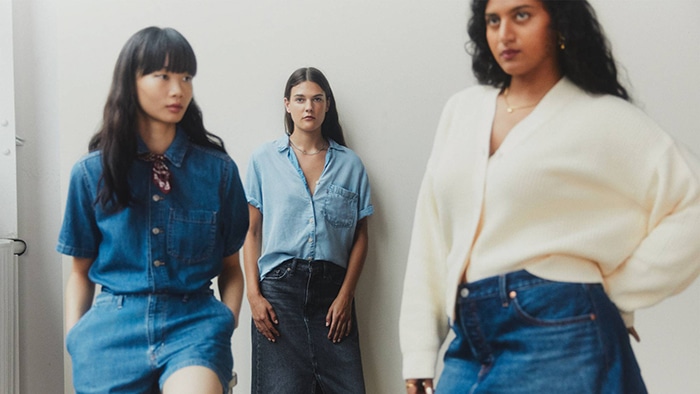
Custom Women’s Skirts
Made-to-Design Skirt Development for Fashion Labels and Retail Buyers
Custom Women’s Skirts are important for brands that want more control over silhouette, fit, fabric drape, waistband shape, length, lining, trims, and brand presentation. A skirt may look simple in a product photo, but successful production depends on many small decisions that affect how the garment sits on the body and how it moves during wear.
For women’s fashion buyers, skirt development is different from basic bottomwear production. A pencil skirt needs structure and measurement accuracy. A pleated skirt needs correct panel balance and pressing control. A wrap skirt needs good overlap and tie placement. A flowy midi skirt needs fabric drape, hem control, and proper fullness. If the fabric, pattern, and finishing are not planned together, the final garment may not match the buyer’s design intention.
Custom skirt development is useful for:
- fashion collections
- boutique labels
- ecommerce brands
- corporate womenswear
- schoolwear and uniform programs
- resort and summer collections
- private label retail lines
Many buyers choose custom production because they do not want generic market skirts. They want their own length, shape, fabric feel, waist construction, color story, label details, and packaging style. These points help the product feel original and better aligned with the brand’s customer base.
Wenext Apparels works with retailers, importers, fashion brands, wholesalers, ecommerce sellers, and private label buyers that need custom women’s skirt development from Bangladesh. The production approach focuses on practical apparel development: correct pattern, suitable fabric, approved sample, clear trims, careful stitching, final inspection, and export-ready packing.
A well-developed custom skirt can help a brand build a stronger women’s apparel collection without depending on standard wholesale products.
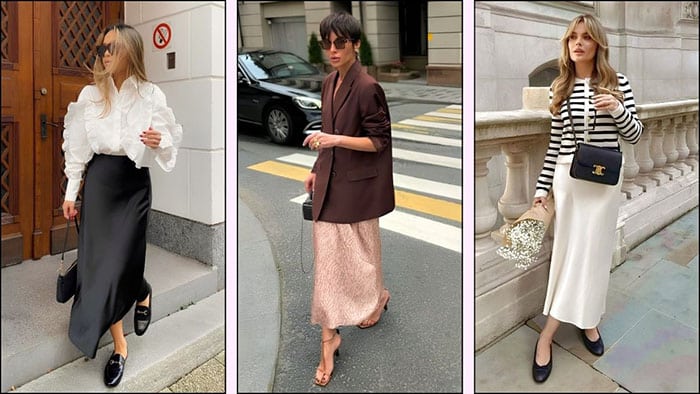
Custom Skirt Development from Silhouette Brief to Production Sample
A custom skirt order should begin with the silhouette, not only the fabric. The first question is how the skirt should look and feel on the customer. Is it fitted, relaxed, structured, flowy, formal, casual, uniform-ready, or trend-focused? This answer controls the pattern, fabric choice, waistband, closure, length, hem, and finishing method.
A buyer may start with:
Design Reference
- sketch
- tech pack
- mood board
- reference sample
- product photo
- measurement chart
- fabric swatch
- trim instruction
Fit Direction
- high waist
- mid waist
- elastic waist
- fitted hip
- relaxed body
- A-line shape
- straight body
- flared hem
Branding Direction
- woven label
- care label
- hang tag
- size label
- branded polybag
- barcode sticker
- carton marking
Brands developing original women’s collections often work with a women’s skirt manufacturer to manage fit, pattern, fabric, trims, and finishing before confirming bulk production.
Retail buyers that need commercial stock planning may later connect custom development with wholesale women’s skirts programs for repeat colors, size ratios, carton packing, and seasonal delivery schedules.
For larger collection launches, buyers may coordinate approved designs with bulk women’s skirts production to manage quantity, QC, packing, and export timing more efficiently.
A custom skirt becomes easier to produce when the sample stage confirms waist measurement, hip balance, length, hem shape, fabric drape, closure quality, lining requirement, and label placement before bulk cutting starts.
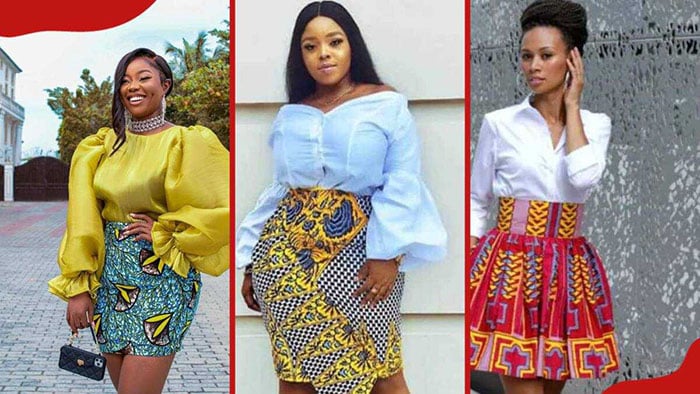
Skirt Styles for Fashion, Uniform, Resort, and Private Label Collections
Custom women’s skirts can be developed for many markets. A fashion boutique may need mini skirts with trend details, while a corporate buyer may require clean pencil skirts with stable fabric and professional finishing. A resort brand may prefer flowy skirts with soft fabrics, while a schoolwear buyer may need pleated skirts with durable construction.
Wenext Apparels can develop skirt styles such as:
- A-line skirts
- pencil skirts
- pleated skirts
- wrap skirts
- skater skirts
- mini skirts
- midi skirts
- maxi skirts
- uniform skirts
- private label skirts
Each skirt type has its own technical focus. Pleated skirts require correct pleat depth and pressing control. Pencil skirts need hip balance, back slit position, and stable waistband construction. Wrap skirts need overlap security and tie placement. Flowy skirts need fabric fall, hem balance, and panel accuracy.
Custom details may include:
- side zipper
- back zipper
- button front
- elastic waistband
- drawcord waistband
- belt loops
- lining
- side slit
- embroidery
- printed fabric
- custom labels
- retail packaging
A brand that sells broader women’s fashion may connect skirt development with a women’s apparel manufacturer to build coordinated tops, dresses, trousers, shorts, and seasonal collections.
Businesses needing sourcing communication, sampling, packing, and export coordination may work with a women’s skirt supplier for more organized order handling.
Private label buyers often use private label skirts development to create stronger brand identity through labels, trims, packaging, and fit-specific product presentation.
A flexible skirt range allows buyers to serve different customers without making every product look similar.
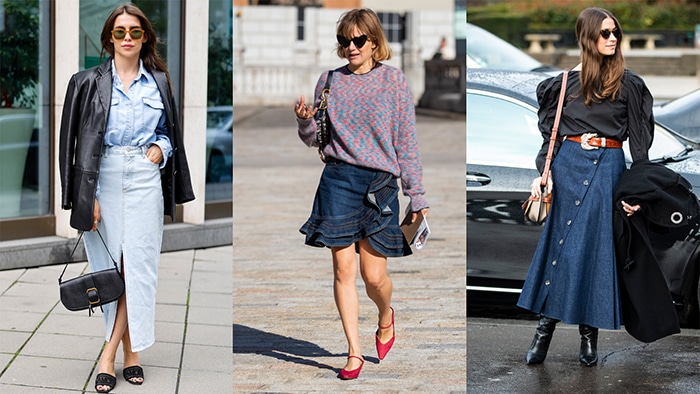
Fabric Drape, Structure, and Comfort for Custom Women’s Skirts
Fabric selection is a major part of custom skirt development because the same pattern can look completely different in different fabrics. A cotton twill skirt may look structured. A viscose skirt may fall softly. A polyester blend may offer easier care. A stretch woven fabric may improve comfort in fitted styles.
Common fabric options for custom women’s skirts include:
- cotton twill
- polyester woven fabric
- viscose fabric
- rayon blends
- linen blends
- denim
- stretch woven fabric
- pleated synthetic fabric
- sustainable fabric options
For custom skirts, fabric should be selected according to the silhouette. A pencil skirt usually needs better structure and shape retention. A pleated skirt needs fabric that can hold pleats after pressing. A maxi skirt needs drape and movement. A uniform skirt needs durability, color stability, and easy-care performance.
Important fabric checks may include:
- GSM and weight
- opacity
- shrinkage
- colorfastness
- wrinkle behavior
- stretch recovery
- drape quality
- pilling tendency
- wash performance
Lining should also be considered when fabric is light, semi-transparent, or formal. Some skirts require full lining, while others may need only partial lining or no lining depending on buyer requirements and market positioning.
For textile certification information, buyers may review OEKO-TEX.
For sustainable textile sourcing guidance, buyers may also explore Textile Exchange.
Good fabric planning helps custom women’s skirts maintain better fit, movement, appearance, and customer satisfaction after retail sale.
Custom Women’s Skirt Production, Quality Review, and Export Handling
Custom skirt manufacturing requires careful pattern control because small measurement changes can affect the full garment. Waist, hip, length, sweep, pleat depth, slit height, zipper position, and hem balance must follow the approved sample. A skirt that is slightly off in waist or hip can become uncomfortable, while uneven hem finishing can affect product presentation.
The production process usually includes:
Sample Review
The sample confirms silhouette, fabric drape, waist construction, closure, lining, length, hem, trims, and label position.
Pattern and Cutting
CAD pattern support helps maintain measurement consistency across sizes. Fabric direction, panel shape, lining pieces, and marker planning are reviewed before cutting.
Sewing Control
Important sewing points include waistband joining, zipper attachment, side seam balance, pleat setting, slit finishing, hem sewing, lining attachment, button placement, and label application.
Final Inspection
Before packing, garments are checked for measurement, stitching, fabric defects, pressing, trimming, label placement, color consistency, and overall presentation.
MOQ generally starts from approximately 500 pieces per color and style depending on fabric selection, trims, customization, labels, packing method, and production planning.
Wenext Apparels supports export orders for buyers in USA, UK, Germany, France, Canada, Australia, Netherlands, Spain, United Arab Emirates, South Africa, and other international destinations.
A buyer sourcing skirts from Bangladesh can manage sample development, production follow-up, inspection, packing, export documentation, and shipment coordination through one organized manufacturing process.
Custom skirt production becomes more reliable when the design, fabric, trims, measurements, QC points, and packing details are confirmed before bulk manufacturing starts.
Why Brands Choose Custom Women’s Skirts Manufacturing
Brands choose custom women’s skirts when they want better control over fit, fabric, silhouette, trims, labeling, and retail presentation. This is especially useful for fashion labels, ecommerce sellers, uniform buyers, boutique brands, and private label companies that want their skirts to look different from standard market products.
Fashion brands developing original skirt collections often begin with a women’s skirt manufacturer to control design development, pattern balance, fabric selection, and sample approval.
Retailers planning seasonal womenwear stock may use wholesale women’s skirts programs to manage size ratios, repeat colors, packing, and delivery schedules.
Companies preparing larger skirt orders can coordinate approved samples with bulk women’s skirts production to improve quantity planning, inspection, and shipment timing.
Buyers needing broader collection support may work with a women’s apparel manufacturer to develop skirts alongside tops, dresses, trousers, shorts, and other related categories.
Private label brands often develop private label skirts to strengthen brand identity through labels, trims, packaging, and consistent product presentation.
FAQ
What are custom women’s skirts?
Custom women’s skirts are skirts developed according to a buyer’s own design, fabric, measurements, silhouette, trims, labels, packaging, and quality requirements.
What is the MOQ for custom women’s skirts?
MOQ generally starts from approximately 500 pieces per color and style depending on fabric selection, trims, customization, labels, packing method, and production planning.
Can different skirt styles be developed in one collection?
Yes. Buyers can develop A-line skirts, pencil skirts, pleated skirts, wrap skirts, mini skirts, midi skirts, maxi skirts, uniform skirts, and private label styles.
Can skirts be made with lining?
Yes. Lining can be added based on fabric transparency, buyer requirement, comfort, structure, and retail positioning.
Can custom skirts include private labels and packaging?
Yes. Buyers can customize woven labels, care labels, size labels, hang tags, barcode stickers, branded polybags, and carton markings.
Do you support international skirt export orders?
Yes. Wenext Apparels supports global buyers with custom women’s skirt production, quality inspection, packing, export documentation, and shipment coordination.
Custom women’s skirts production works best when silhouette, fabric drape, fit standard, trims, lining, label placement, packing, and export planning are confirmed before bulk cutting. With the right manufacturing partner, buyers can build stronger skirt collections for fashion retail, ecommerce, uniform programs, wholesale, and private label markets.