
Custom Denim Trousers Manufacturers
Buyer-Specific Denim Trouser Development with Fit, Wash, and Brand Control
Custom Denim Trousers Manufacturers are important for brands that do not want ordinary denim pants from a ready-made market style. A custom denim trouser must follow the buyer’s own fit direction, denim weight, wash shade, pocket construction, trims, labels, size grading, and packing method. For fashion retailers, denim labels, ecommerce sellers, importers, and private label buyers, this control helps create a product that feels original instead of generic.
Denim trousers need more technical attention than many regular woven pants. The fabric can shrink after washing. The shade can change during wash processing. Stretch denim may behave differently from rigid denim. A slim-fit trouser, straight-leg denim pant, relaxed denim trouser, and high-waist women’s denim pant cannot be handled with the same pattern formula.
A custom denim trouser order usually needs decisions on:
- fit block and size grading
- rise, thigh, knee, inseam, and leg opening
- denim fabric weight and stretch percentage
- wash shade and hand feel
- pocket shape and back yoke design
- button, rivet, zipper, and patch quality
- private label trims and export packing
Wenext Apparels supports buyers that need custom denim trousers manufacturing from Bangladesh with sample development, denim sourcing, wash trial, pattern correction, sewing follow-up, quality inspection, private label finishing, and export coordination.
A strong custom denim trouser program starts before bulk cutting. The approved sample should prove that the fit, fabric, wash, trims, labels, and packing method can be repeated in real production.
Custom Denim Trouser Development from Fit Brief to Production Sample
A custom denim trouser project should start with the buyer’s fit brief. This is different from simply asking for denim pants production. The factory needs to understand the buyer’s target customer, style direction, selling price, fit preference, wash effect, and brand presentation.
A buyer may send a full tech pack, reference sample, product photo, measurement chart, fabric swatch, label artwork, or only a design concept. From that information, the manufacturer prepares a development path.
Fit Development Points
- regular fit
- slim fit
- straight fit
- relaxed fit
- tapered fit
- high-waist fit
- mid-rise fit
- men’s or women’s size range
Denim Construction Points
- five-pocket style
- chino pocket option
- zipper fly
- button fly
- back yoke
- waistband shape
- belt loop placement
- hem finish
Branding and Trim Points
- branded metal button
- custom rivets
- leather patch or PU patch
- woven label
- care label
- size label
- hang tag
- branded polybag
- carton mark
Brands that want direct factory production can work with a denim trousers manufacturer to manage sample approval, pattern correction, wash coordination, sewing quality, and export packing.
Buyers sourcing from Bangladesh may also review denim trousers manufacturers in Bangladesh for local production support, wash control, inspection, documentation, and shipment communication.
For commercial retail stock, custom development can later connect with wholesale denim trousers planning so buyers can manage size ratio, repeat wash shades, labels, cartons, and delivery schedules.
Custom denim trouser development becomes safer when the buyer approves the sample after wash, not only before wash. This helps confirm real measurement, shade, hand feel, and final appearance.
Custom Denim Trouser Styles for Fashion, Retail, and Private Label Markets
Custom denim trousers can serve different buyer markets. A men’s casualwear brand may need regular-fit denim trousers with clean stitching and durable trims. A women’s fashion label may need stretch denim trousers with high-waist shaping. A streetwear brand may want relaxed denim pants with heavier fabric and bold back patch details. A private label buyer may need simple but consistent denim trousers for repeat retail programs.
Wenext Apparels can develop custom denim trouser styles such as:
- men’s denim trousers
- women’s denim trousers
- slim-fit denim trousers
- straight-leg denim trousers
- relaxed denim pants
- tapered denim trousers
- stretch denim trousers
- rigid denim trousers
- black denim trousers
- private label denim trousers
Each style needs a different production focus. Slim-fit denim trousers require careful grading and stretch recovery. Relaxed denim pants need correct leg balance and fabric fall. Black denim trousers need shade stability and rubbing control. Rigid denim trousers need stronger shrinkage planning before final measurement approval.
Custom options may include:
- contrast stitching
- tonal stitching
- branded buttons
- custom rivets
- zipper fly
- button fly
- printed pocket bag
- back patch
- embroidery
- garment wash
- enzyme wash
- vintage wash
- branded labels
- retail packaging
Private label buyers can develop private label denim trousers with custom buttons, rivets, patches, woven labels, hang tags, barcode stickers, polybags, and carton markings.
For larger confirmed styles, buyers may move into bulk denim trousers production to manage quantity planning, factory scheduling, inspection, packing, and shipment timing.
Companies building wider denim categories may coordinate denim trousers with a Bangladesh denim apparel manufacturer for denim shirts, denim jackets, denim shorts, jeans pants, and related products.
A flexible custom range helps brands build denim trousers that match their own customer base instead of depending on standard designs.
Denim Fabric, Stretch Recovery, Wash Trial, and Shrinkage Planning
Fabric selection is one of the main responsibilities of Custom Denim Trousers Manufacturers. A denim trouser can change completely depending on fabric weight, fiber composition, stretch level, wash process, and finishing. The buyer must choose fabric according to fit, season, retail price, comfort, durability, and desired wash look.
Common denim fabric options include:
- 100% cotton denim
- cotton-spandex denim
- stretch denim
- rigid denim
- lightweight denim
- mid-weight denim
- black denim
- cotton-poly denim blends
- recycled cotton denim
- sustainable denim options
A custom denim trouser should not be approved only by fabric swatch. The fabric should be checked after sample washing because denim may shrink, fade, soften, twist, or change hand feel. If the fabric reaction is not understood before bulk production, the final trousers may not match the approved fit.
Important fabric and wash checks include:
- denim ounce or GSM
- shrinkage percentage
- wash shade
- shade band
- colorfastness
- crocking risk
- stretch recovery
- seam puckering
- hand feel
- measurement after wash
Stretch denim needs special attention. If recovery is weak, the trouser may become loose after wear. Rigid denim needs shrinkage allowance. Black denim needs rubbing and shade control. Vintage wash denim needs careful shade approval so the final look does not become too light or uneven.
For textile certification information, buyers may review OEKO-TEX.
For sustainable textile sourcing guidance, buyers may also explore Textile Exchange.
Good fabric and wash planning helps custom denim trouser buyers avoid measurement failure, shade variation, poor recovery, and customer complaints after delivery.
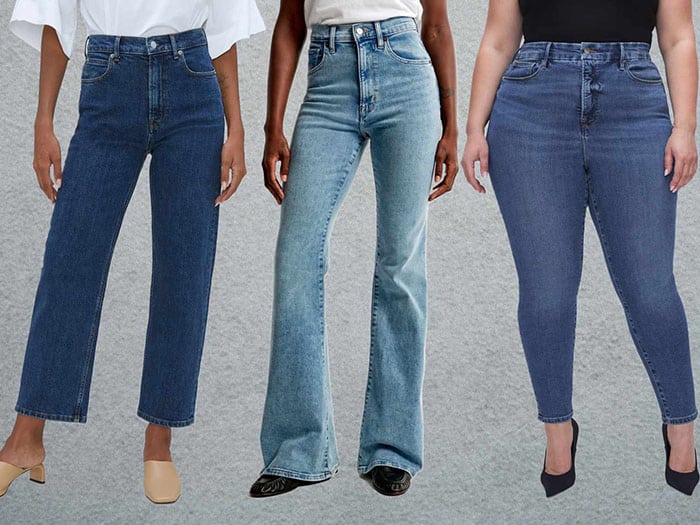
Custom Denim Trouser Manufacturing, Wash Approval, QC, and Export Packing
Custom denim trouser manufacturing needs coordination between pattern, cutting, sewing, washing, finishing, labeling, packing, and shipment. Since denim trousers often pass through wash processing, the manufacturer must control measurement and appearance before and after washing.
A practical production workflow includes:
1. Buyer File Review
Tech pack, reference sample, measurement chart, fabric swatch, wash direction, trims, labels, packing instruction, and shipment requirement are reviewed before development starts.
2. Pattern and Sample Making
CAD pattern support helps control waist, hip, rise, thigh, knee, inseam, leg opening, waistband shape, pocket placement, and size grading. The first sample is checked for fit and construction.
3. Wash Trial and Correction
The sample is washed according to the buyer’s requirement. After wash, measurement, shade, hand feel, seam appearance, and shrinkage are reviewed. Pattern correction may be made before bulk approval.
4. Cutting and Sewing
Cutting teams follow size breakdown, shade control, and marker planning. Sewing teams check waistband attachment, fly construction, pocket sewing, side seam, inseam, back yoke, belt loops, bar-tacks, rivets, buttons, and hem finishing.
5. Final Wash and Finishing
Bulk garments go through the approved wash process. Shade, softness, shrinkage, hand feel, and final appearance are checked before finishing.
6. Private Label Packing and Export
Woven labels, care labels, size labels, hang tags, barcode stickers, polybags, carton marks, packing lists, and export documents are checked according to buyer instructions.
MOQ generally starts from approximately 500 pieces per color and style depending on denim fabric, wash process, trims, labels, packing method, and production planning.
Wenext Apparels supports export orders for buyers in USA, UK, Germany, France, Canada, Australia, Netherlands, Spain, United Arab Emirates, South Africa, and other international destinations.
A controlled manufacturing process helps buyers receive custom denim trousers that match the approved sample, brand standard, and export packing requirement.
Why Buyers Work with Custom Denim Trousers Manufacturers
Buyers work with Custom Denim Trousers Manufacturers when they need full control over fit, fabric, wash shade, construction, trims, labels, packaging, and export delivery. This is useful for brands that want denim trousers made according to their own product identity instead of buying standard stock items.
Brands needing direct factory production often work with a denim trousers manufacturer to manage pattern development, sewing, washing, quality checking, and export packing.
International buyers sourcing from Bangladesh may review denim trousers manufacturers in Bangladesh for denim production, wash approval, inspection, documentation, and shipment support.
Retailers planning seasonal stock can use wholesale denim trousers programs to manage size ratios, repeat wash shades, retail packing, and delivery timing.
Companies placing larger orders may coordinate with bulk denim trousers production to improve factory scheduling, quantity planning, inspection, and shipment accuracy.
Private label brands often develop private label denim trousers with branded buttons, rivets, patches, woven labels, hang tags, barcode stickers, polybags, and carton markings.
FAQ
What do Custom Denim Trousers Manufacturers do?
Custom Denim Trousers Manufacturers develop and produce denim trousers according to the buyer’s own fit, fabric, wash shade, trims, labels, packaging, and quality requirements.
What is the MOQ for custom denim trousers?
MOQ generally starts from approximately 500 pieces per color and style depending on denim fabric, wash process, trims, labels, packing method, and production planning.
Can denim trousers be made with custom wash effects?
Yes. Buyers can request dark wash, medium wash, light wash, black wash, enzyme wash, stone wash, garment wash, vintage wash, softener finish, or buyer-specific wash effects.
Can I customize buttons, rivets, and labels?
Yes. Custom denim trousers can include branded buttons, custom rivets, back patches, woven labels, care labels, size labels, hang tags, barcode stickers, polybags, and carton marks.
Which fabrics are suitable for custom denim trousers?
Common options include 100% cotton denim, cotton-spandex denim, stretch denim, rigid denim, lightweight denim, mid-weight denim, black denim, recycled cotton denim, and cotton-poly denim blends.
Do you support international custom denim trouser exports?
Yes. Wenext Apparels supports global buyers with custom denim trouser development, washing, production, QC, packing, export documentation, and shipment coordination.
Custom denim trouser manufacturing works best when the buyer and factory confirm fit, fabric weight, wash shade, trims, label placement, packing method, and export timing before bulk production starts. With the right manufacturing partner, brands can build denim trouser programs for fashion retail, ecommerce, wholesale distribution, casualwear, and private label denim markets.